US Resumes Dollar Shipments to Iraq as Baghdad Steps Up Security and Anti-Corruption Measures
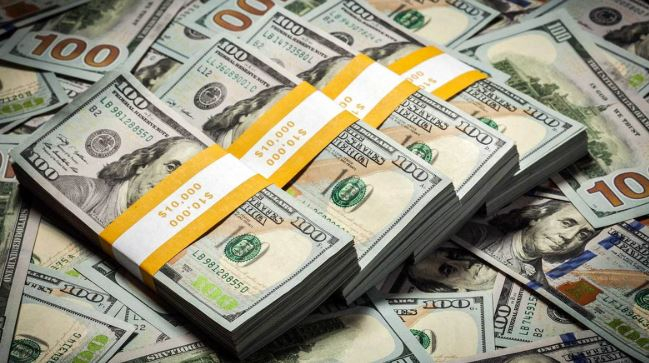
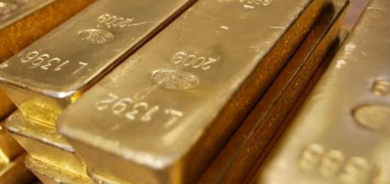
The United States has resumed air shipments of US dollars to Iraq after suspending them for several months, providing relief to the country's cash-dependent economy while maintaining certain restrictions related to security cooperation, according to senior Iraqi officials.
Haider al-Aboudi, spokesperson for Prime Minister Ali al-Zaidi, confirmed that the shipments had resumed, stating that "the problem has been resolved." The development was also confirmed by the prime minister's financial adviser, Mudhar Mohammed Salih.
Washington suspended the dollar shipments in April, withholding Iraq's own oil-export revenues held in US dollars in an effort to pressure Baghdad to distance itself from Iran and curb the influence of Iran-backed armed groups. The measure represented one of the most significant financial actions taken by the United States against Iraq in recent years, despite the strategic partnership between the two countries.
According to Iraqi officials, the suspension coincided with Iraq's government formation process, during which Washington sought to discourage the appointment of officials viewed as closely aligned with Tehran while urging Baghdad to bring armed factions operating outside state control under government authority.
Although the flow of dollars has now resumed, Iraqi officials said US restrictions on certain areas of security cooperation and funding for some Iraqi security institutions remain in place.
The United States Department of the Treasury has not yet commented publicly on the resumption of the shipments, while the United States Department of State referred media inquiries to the Treasury Department.
The dollar transfers are a critical part of Iraq's financial system. Under the existing banking framework, Iraq's foreign currency reserves are held at the Federal Reserve Bank of New York, while the Central Bank of Iraq manages daily international dollar transfers for businesses importing goods into the country.
The banking arrangements were established under a joint US-Iraq framework to strengthen financial transparency, combat money laundering, prevent illicit financial flows, and stop US dollars from reaching sanctioned entities and armed groups, including networks linked to Iran.
Officials from the Kurdistan Region have previously stated that one of Washington's principal objectives in suspending the shipments was to disrupt the smuggling of US dollars by Iran-backed militias.
The resumption comes as Prime Minister Ali al-Zaidi, who assumed office in late April, continues efforts to strengthen state authority over armed groups. Shortly after taking office, he ordered all militias to operate under direct government command. However, several powerful Iran-backed factions, including Kataib Hezbollah, have publicly rejected the directive.