EASA Extends Warning Against Flights Over Iraq, Iran and Lebanon Despite US-Iran Diplomatic Progress
The European Union Aviation Safety Agency (EASA) has extended its warning advising airlines to avoid flying over the airspace of Iraq, Iran and Lebanon, citing ongoing security risks despite recent diplomatic progress between the United States and Iran.
In an updated Conflict Zone Information Bulletin issued on Wednesday, EASA recommended that airlines refrain from operating in the airspace of the three countries at any altitude. The agency also urged operators to exercise heightened caution when flying through the airspace of Bahrain, Kuwait, Israel, Jordan, Qatar, Oman, Saudi Arabia and the United Arab Emirates.
EASA called on airlines to maintain up-to-date risk assessments and contingency plans, warning that the regional security situation remains volatile and unpredictable.
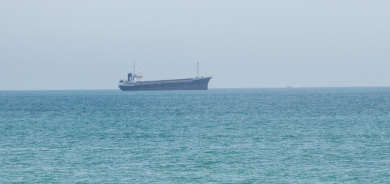
According to the agency, the advisory remains necessary due to the possibility of renewed military activity, particularly around the Strait of Hormuz, where short-term violations of the ceasefire between the United States and Iran could occur.
The agency also pointed to the fragile ceasefire between Israel and Hezbollah, warning that any resumption of hostilities could pose serious risks to the safety of civilian aircraft operating over Lebanon.
The renewed advisory comes despite ongoing diplomatic efforts between Washington and Tehran following a framework agreement reached in June that aims to reduce tensions and lay the groundwork for a broader settlement.
However, officials have acknowledged that significant disagreements remain over key issues, including Iran’s nuclear program and the future management of the Strait of Hormuz, raising concerns that the ceasefire could still collapse.
Air travel across the Middle East has experienced repeated disruptions since the outbreak of conflict involving the United States, Israel and Iran earlier this year. During periods of missile and drone attacks, several countries temporarily closed their airspace, forcing airlines to reroute or suspend flights and increasing travel times and operational costs on Europe-Asia routes.