Iraq Reports 219 Hemorrhagic Fever Cases and 16 Deaths in 2026, Dhi Qar Hardest Hit
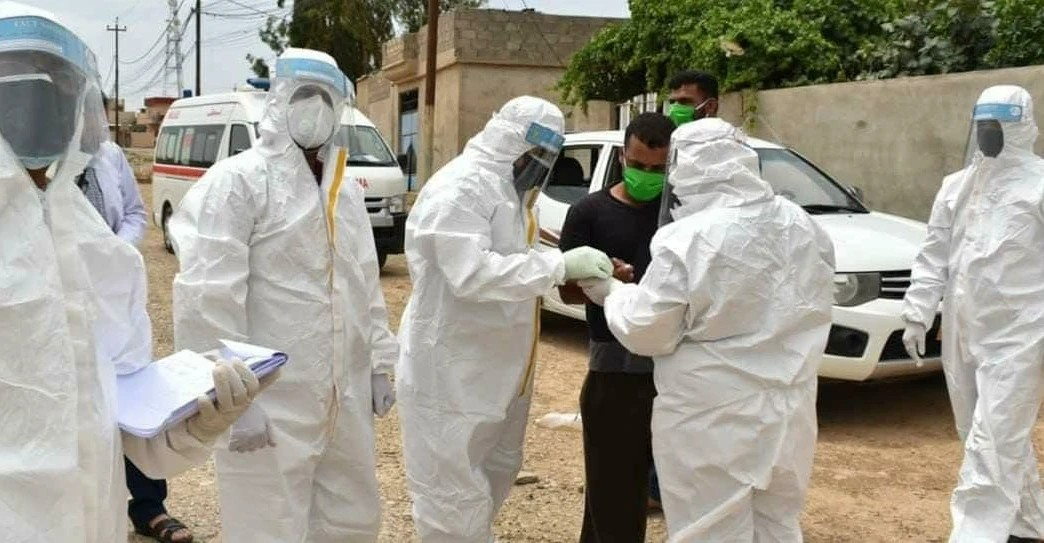
Iraq has recorded 219 confirmed cases of hemorrhagic fever and 16 deaths since the beginning of 2026, with the southern governorate of Dhi Qar Governorate accounting for nearly half of all infections, according to the Ministry of Health.
Health Ministry spokesperson Saif al-Badr said Dhi Qar has registered 101 cases and eight deaths, making it the country's worst-affected governorate. Additional infections have been confirmed in Al Muthanna Governorate, Basra Governorate, Maysan Governorate, Wasit Governorate, Diyala Governorate, Babil Governorate, Baghdad, Nineveh Governorate, Saladin Governorate, Kirkuk Governorate, Karbala Governorate, Erbil, Sulaymaniyah, Najaf Governorate, Al-Qadisiyyah Governorate, and **Al Anbar Governorate>.
The ministry reported that 23 new cases and three deaths were recorded during the final week of June alone. Of those, 10 cases and two fatalities occurred in Dhi Qar, highlighting the continuing concentration of infections in the province.
According to al-Badr, health authorities are maintaining nationwide surveillance through specialized epidemiological teams working alongside veterinary and regulatory agencies. Earlier this month, the National Center for Crisis and Disaster Management declared a nationwide state of readiness to strengthen prevention and containment efforts.
Officials said the disease typically begins with symptoms such as fever, headache, muscle pain and fatigue, but severe cases can progress to internal or external bleeding. The ministry urged people experiencing symptoms—particularly butchers, livestock breeders and animal traders—to seek immediate medical attention, emphasizing that early diagnosis significantly improves treatment outcomes.
The Health Ministry also advised the public to purchase meat only from licensed slaughterhouses, avoid unregulated slaughtering in residential neighborhoods, wear gloves and protective clothing when handling livestock or raw meat, implement tick-control measures, and ensure meat is stored and cooked safely.
Hemorrhagic fever remains a recurring seasonal public health challenge in Iraq, with infections generally increasing during the warmer months when contact with livestock is more frequent. In 2025, the country recorded 296 cases and 42 deaths by the end of September, underscoring the persistent threat posed by the disease.