KRG to Establish Permanent Coordination Committee with Baghdad, Reaffirms Readiness to Resume Oil Exports
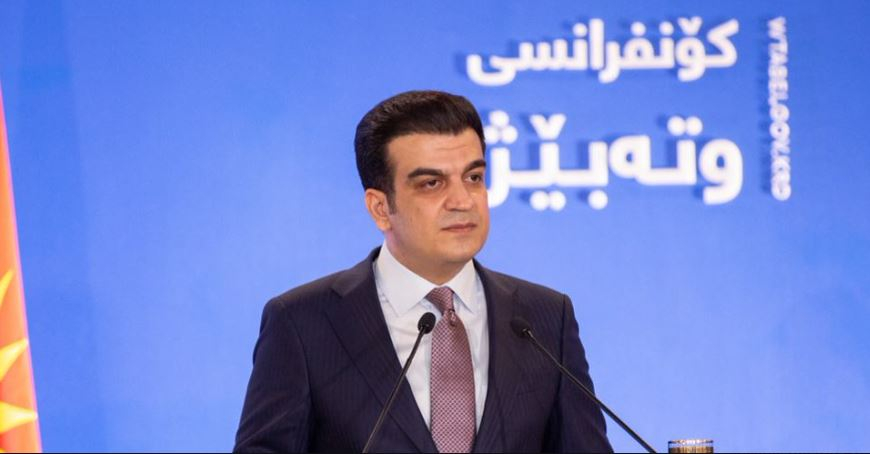
The Kurdistan Regional Government (KRG) announced on Wednesday that it will establish a permanent high-level coordination committee with Iraq’s federal government, describing the initiative as a major step toward resolving outstanding issues and strengthening relations between Erbil and Baghdad.
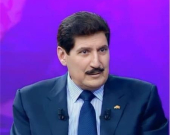
Speaking at a press conference following a Cabinet meeting, KRG spokesperson Peshawa Hawramani said ministers discussed three key topics: the formation of the new coordination committee, efforts to resume oil production and exports, and the implementation of the federal government’s electronic customs and revenue collection system, Asycuda.
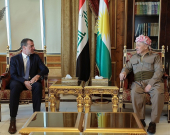
Hawramani said the proposal emerged during Prime Minister Masrour Barzani’s recent visit to Baghdad and was put forward by the Kurdistan Region. According to him, the federal government welcomed the initiative.
“The objective is not only to address existing issues, but also to advance cooperation and strengthen coordination between both sides,” Hawramani said.
He explained that the committee would function as a permanent mechanism for coordination rather than merely a platform for discussing disputes. While some members will serve on a permanent basis, the committee’s composition may be adjusted depending on the issues under consideration.
Addressing the long-standing suspension of oil exports, Hawramani said delegations from the Kurdistan Region and international oil companies recently met with Iraqi Prime Minister Ali Faleh Al-Zaidi to discuss restarting production and exports.
He stressed that the KRG remains fully prepared to facilitate the resumption of oil exports and is willing to provide all necessary cooperation to Baghdad to help resolve the issue.
However, Hawramani noted that oil companies have requested security guarantees before resuming operations. He said oil and gas facilities in the Kurdistan Region have been targeted approximately 33 times in recent years, prompting companies to seek assurances that future attacks will not originate from within Iraq.
In addition to security concerns, oil producers are also seeking a review of production costs and contractual arrangements before restarting exports.
The KRG spokesperson warned that continuing instability across the Middle East has placed significant economic and security pressures on both Iraq and the Kurdistan Region. He emphasized that restoring oil exports would help alleviate financial challenges facing the Region.
Hawramani also addressed the implementation of the Asycuda electronic customs and revenue management system, stating that the Kurdistan Region has no objections to adopting the platform.
He said authorities initially required time to align the Region’s internal systems with Baghdad’s technological infrastructure, but preparations have now been completed.
“We are fully ready and are only waiting for the federal government team to set a date for a joint meeting,” Hawramani said.
The system is expected to modernize customs administration, improve transparency, and streamline revenue collection between the Kurdistan Region and the federal government.
On domestic issues, Hawramani highlighted progress in the Kurdistan Region’s 24-hour Runaki electricity project, which aims to provide uninterrupted power to citizens at lower costs.
He acknowledged that technical difficulties during the project’s initial stages led to occasional power outages in some areas but said authorities are gradually resolving those issues.
Regarding recent gasoline shortages reported in parts of the Region, Hawramani said the KRG is coordinating closely with the Ministry of Natural Resources and described the shortages as temporary.
He expressed confidence that fuel supplies would return to normal in the near future.