Middle East Tensions Escalate as Israel and Iran Exchange Missile Fire
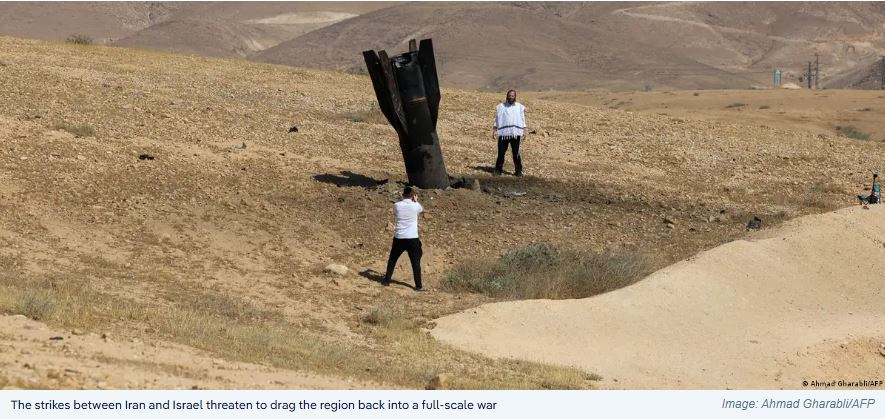
The Middle East has witnessed its most serious military confrontation since the ceasefire agreement reached in April, as Israel and Iran exchanged missile strikes in a sharp escalation of regional tensions.
The latest round of hostilities began after Israel launched strikes on targets inside Iran early Monday, describing the operation as a response to an earlier Iranian missile attack on northern Israel. Iran subsequently retaliated, with both sides firing missiles in a dangerous cycle of military action that has raised fears of a broader regional conflict.
Amid the escalating violence, U.S. President Donald Trump called for an immediate cessation of hostilities, urging both countries to avoid further military escalation and return to diplomatic channels.
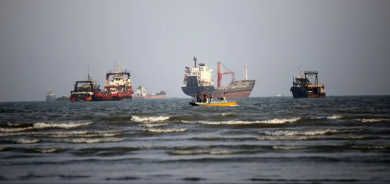
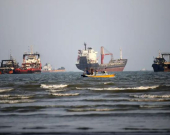
Adding to concerns, Yemen's Iran-backed Houthi movement threatened to target ships linked to Israel in the Red Sea, a vital international shipping route. The warning has heightened fears of disruptions to global trade and maritime security.
International leaders have expressed growing alarm over the situation. The European Union's top diplomat called on all parties to exercise restraint and return to negotiations, emphasizing the need for diplomacy to prevent further instability across the region.
The renewed confrontation has sparked concerns among governments and international organizations that the conflict could expand beyond Israel and Iran, drawing in additional regional actors and threatening broader Middle Eastern security.