Iraq Rules Out New Oil Contracts in Kurdistan Region, Affirms Existing Agreements
Iraq’s Ministry of Oil has ruled out signing new contracts with international oil companies operating in the Kurdistan Region, stressing that existing agreements remain valid as Baghdad intensifies efforts to restore oil production and exports from the Region.
Speaking to reporters on Saturday, Oil Ministry spokesperson Salim al-Rikabi said the federal government has no plans to replace or renegotiate current contracts signed between the Kurdistan Regional Government (KRG) and foreign energy companies.
“No new contracts will be signed because the previous contracts between the Kurdistan Region and foreign companies remain valid and in effect,” al-Rikabi said.
The statement comes amid ongoing efforts by Baghdad to resolve long-standing disputes over oil exports and encourage international operators to resume production following years of disruptions.
Al-Rikabi noted that several companies had previously suspended operations due to security concerns. However, recent discussions led by Iraqi Prime Minister Ali Falih al-Zaidi focused on addressing those challenges and encouraging companies to return to production.
“Companies were encouraged to immediately resume operations, and all obstacles facing them were addressed,” he said.
A major issue in negotiations between Baghdad and Erbil has been the cost of oil production in the Kurdistan Region. Al-Rikabi clarified that the $16-per-barrel figure included in Iraq’s federal budget law should not be considered a final determination of production costs.
According to the Oil Ministry, the amount serves as an advance payment until an international consulting firm completes an assessment of actual production and transportation expenses.
“The $16 amount was included in the federal budget law only as an advance payment,” al-Rikabi said, adding that the figure will remain temporary pending a final evaluation.
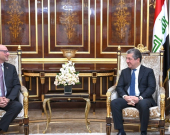
The comments followed a high-level meeting in Baghdad on Thursday chaired by Prime Minister al-Zaidi. The meeting brought together Oil Minister Basim Mohammed Khudair, representatives from the Kurdistan Region, and executives from international energy companies operating in the Region.
According to the Ministry of Oil, discussions centered on rebuilding investor confidence and accelerating the resumption of oil production and exports from the Kurdistan Region after months of uncertainty.
Khudair said company representatives were given an opportunity to outline the operational and financial challenges that continue to impede the restart of exports. He added that the prime minister pledged to direct relevant government institutions to review those concerns and develop practical solutions.
“The goal is to reach appropriate and sustainable measures that will remove existing barriers and facilitate the resumption of oil production and exports from the Kurdistan Region,” Khudair said.
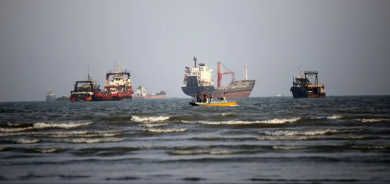
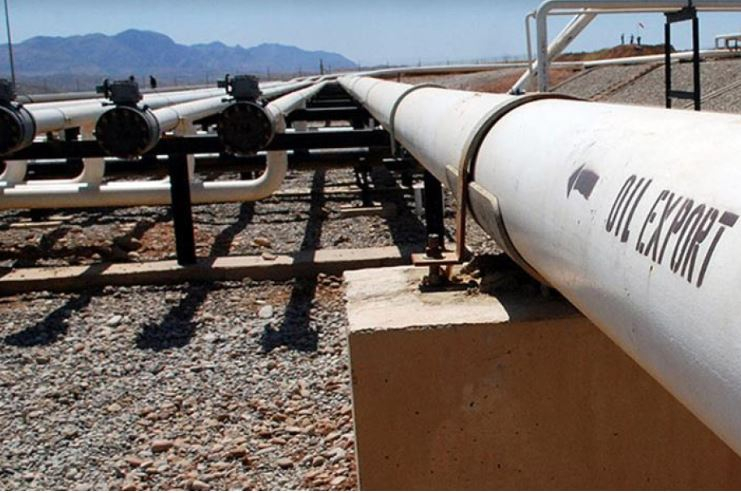
The renewed push comes as Iraq faces increasing pressure to secure alternative export routes amid regional instability. Since the outbreak of conflict involving Iran, the United States, and Israel earlier this year, Iraqi oil shipments through the Strait of Hormuz have experienced disruptions, elevating the strategic importance of the Kurdistan Region’s export pipeline linking Iraqi oil fields to Turkey’s Mediterranean port of Ceyhan.
Baghdad has recently stepped up contacts with international operators and Kurdistan Region officials in an effort to restore exports, increase production levels, and reassure investors that Iraq remains committed to maintaining a stable and attractive environment for energy investment.