Middle East Conflict Deepens as Lebanon Strikes Continue and Hunger Risks Rise
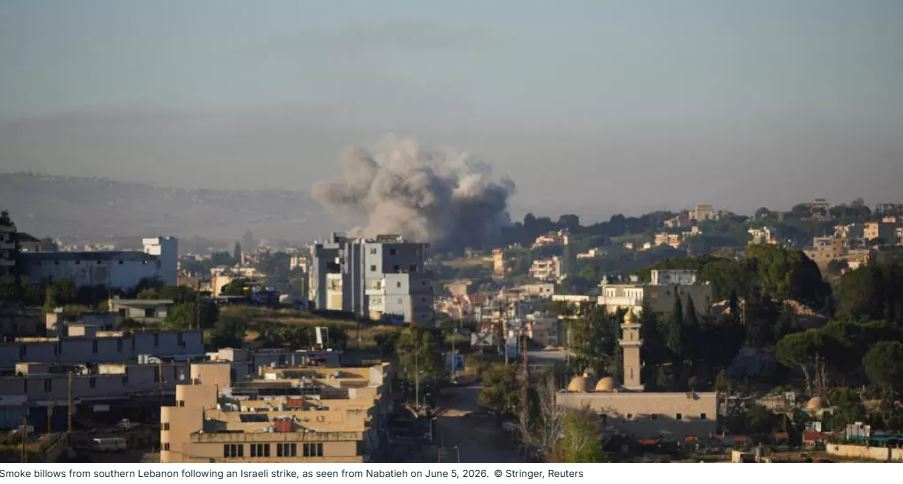
Israel continued its military strikes on southern Lebanon on Friday, killing at least seven people overnight in the coastal city of Tyre. Among the targets was an area near a hospital, according to local reports.
The attacks occurred despite a ceasefire agreement between Israel and Lebanon. However, the agreement has been rejected by the Hezbollah militia. Hezbollah's leader described the negotiations leading to the ceasefire as “absurd, humiliating and insulting.”
Lebanon’s Speaker of Parliament indicated a possible path toward de-escalation, stating that Lebanon would agree to a Hezbollah withdrawal from southern Lebanon if it occurred in parallel with an Israeli withdrawal from the area.
Meanwhile, the wider Middle East conflict is increasing humanitarian concerns across the region. The United Nations World Food Programme (WFP) warned on Friday that millions of people are being pushed closer to hunger as rising fuel and transportation costs drive up food prices. At the same time, funding shortages are forcing humanitarian agencies to reduce assistance to vulnerable populations.
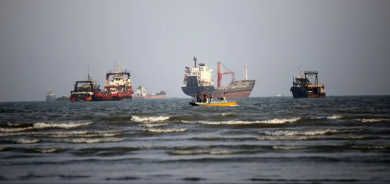
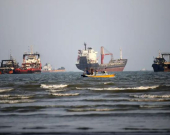
The crisis intensified after joint U.S.-Israeli strikes on Iran in February triggered a broader regional conflict extending across the Gulf and into Lebanon. The escalation has disrupted major shipping routes, including the Strait of Hormuz, forcing vessels to take longer routes and significantly affecting global energy supplies and supply chains.
In March, the WFP projected that as many as 45 million people could face acute food insecurity if oil prices remained near $100 per barrel through June. The organization warned that continued instability could worsen humanitarian conditions across several regions already struggling with food shortages and economic hardship.
Regional leaders and international organizations continue to call for diplomatic solutions as concerns grow over the conflict’s expanding economic and humanitarian consequences.