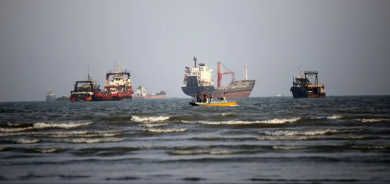
Iraq’s Oil Exports Remain Severely Reduced as Hormuz Disruptions Persist
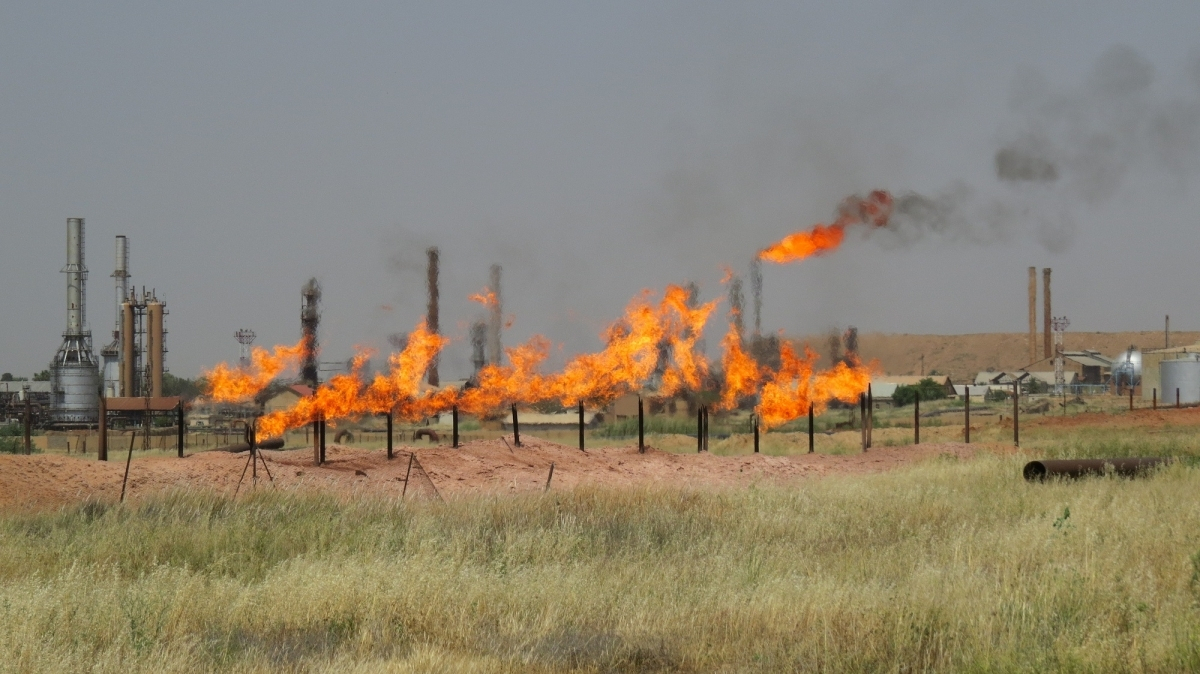
Iraq’s crude oil exports averaged 329,000 barrels per day (bpd) in May, unchanged from April and significantly below pre-crisis levels, according to Iraqi economist Nabil Al-Marsoumi.
Al-Marsoumi said that approximately 233,000 bpd were exported through the Kurdistan-Ceyhan pipeline to Türkiye’s Mediterranean port of Ceyhan. Of this volume, around 20,000 bpd originated from fields in the Kurdistan Region, while the remainder came from Kirkuk, other northern oilfields, and central Iraqi fields blended with Kirkuk crude.
Exports through the Strait of Hormuz averaged just 96,000 bpd during May, bringing Iraq’s total crude exports to 329,000 bpd, matching April’s level. Al-Marsoumi estimated Iraq’s oil revenues for May at roughly $1 billion.
The sharp decline in exports follows ongoing restrictions in the Strait of Hormuz, which have remained largely in place since February 28 amid regional tensions linked to the U.S.-Israel conflict with Iran. The disruption has significantly affected energy flows across the Gulf and forced Iraq and other regional producers to reduce shipments.
Earlier, Iraqi Oil Minister Bassem Mohammed Khudair warned that Iraq’s export capacity had been severely damaged by the closure of key maritime routes. He noted that monthly exports had dropped from around 93 million barrels before the crisis to approximately 10 million barrels in April after navigation in the Gulf was disrupted.
According to Oil Ministry figures, Iraq previously exported about 95 percent of its crude through the Strait of Hormuz, making the country particularly vulnerable to disruptions in the waterway.
Bloomberg vessel-tracking data showed Iraq’s seaborne exports fell to just 131,000 bpd in April, representing a 96 percent decline compared with April 2025. The data also indicated that Basra’s export terminals, which normally handle up to 80 tankers per month, loaded only two vessels in April, down from 12 in March.
Meanwhile, international demand for Iraqi crude also weakened. Reuters reported that China’s imports of Iraqi oil fell sharply to 60,000 bpd in May, compared with 790,000 bpd in February. Data from the U.S. Energy Information Administration further showed that Iraqi crude exports to the United States declined by nearly 50 percent in March, despite Iraq maintaining production levels above 4 million bpd.
In remarks to Shafaq News in March, Al-Marsoumi warned that nearly 94 percent of Iraq’s oil exports depended on southern Gulf terminals and cautioned that prolonged disruption could reduce monthly oil revenues from around $7 billion to less than $1 billion. He added that alternative export routes remained limited, with the Ceyhan pipeline capable of carrying about 210,000 bpd and only small quantities transported by truck to Jordan.
The continued restrictions on the Strait of Hormuz remain a major challenge for Iraq’s economy, which relies heavily on oil revenues to fund government spending and public services.