Iran Reviews Final US Ceasefire Framework Draft, No Official Response Yet
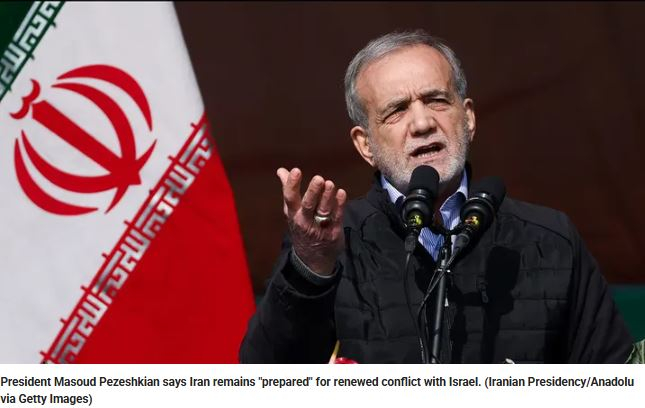
Iran is still reviewing the final draft of a proposed memorandum of understanding (MoU) with the United States aimed at extending a fragile ceasefire and launching broader negotiations, according to a source cited by Iran's semi-official Mehr News Agency.
“The final text is still under discussion in Tehran, and no response has yet been sent,” the source said, noting that Iranian officials remain cautious because of what they view as a history of US non-compliance with previous agreements.
The source, described as close to Iran’s negotiating team, said Tehran is seeking “real and tangible benefits” from any future agreement and is approaching the talks based on lessons learned from earlier negotiations with Washington.
The proposed MoU is intended to establish a 60-day framework for negotiations while preserving the current ceasefire between the two countries. Reports indicate discussions have focused on reopening commercial shipping through the Strait of Hormuz, potential sanctions relief, and access to some frozen Iranian assets, although several key issues remain unresolved.
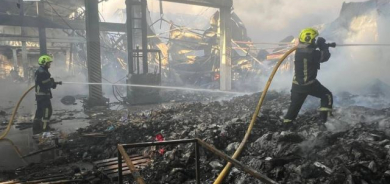
The negotiations follow months of hostilities that began after the United States and Israel launched a large-scale aerial campaign against Iran on February 28, targeting military infrastructure and senior commanders. Iran and its regional allies responded with waves of drone and missile attacks against countries hosting US military bases in the region. A ceasefire was reached in early April, with Pakistan mediating efforts to extend the truce.
The review of the draft agreement comes amid renewed tensions in Lebanon. Tehran has warned that Israeli military operations there could affect the wider diplomatic process and temporarily suspended indirect communications with Washington through mediators.
Hours later, US President Donald Trump announced that Israel and Hezbollah had agreed to halt hostilities following separate discussions with Israeli Prime Minister Benjamin Netanyahu and Hezbollah representatives. Iran, Hezbollah’s principal backer, has maintained that any regional ceasefire arrangement must include the Lebanese group.
Although Trump has repeatedly stated that an agreement is within reach, neither the White House nor Iranian authorities have confirmed a final deal. Reports suggest the latest draft was recently revised and returned to Tehran for further consideration.
Separately, Mohammad Jafar Asadi, deputy commander of Iran’s Khatam al-Anbiya Central Headquarters, said on Tuesday that Iran still possesses significant options should negotiations fail.
“Iran has not yet revealed all of its winning cards,” Asadi said.
“There are many more options available, and if necessary, we will use them. The United States seeks nothing less than our complete surrender, but the Iranian nation will never surrender,” he added.