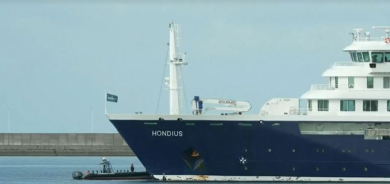
Global Monitoring Intensifies After Hantavirus Outbreak on MV Hondius

Passengers evacuated from the cruise ship MV Hondius are returning to their home countries as health authorities across Europe and beyond work to contain a rare outbreak of the Andes strain of hantavirus, which has already claimed three lives.
The outbreak began after several passengers aboard the vessel developed symptoms of hantavirus cardiopulmonary syndrome (HCPS), a severe respiratory illness linked to rodent-borne hantaviruses. According to the World Health Organization, seven confirmed infections and two probable cases have been identified among the 147 people on board.
Two of the victims were a Dutch couple who had reportedly visited landfill sites near Ushuaia before boarding the ship in southern Argentina. Authorities believe they may have been exposed to infected rodent droppings during a bird-watching excursion.
Medical experts confirmed that the passengers contracted the Andes strain of hantavirus, considered the only known hantavirus capable of limited human-to-human transmission. However, specialists stressed that the virus spreads only through close and prolonged contact and is far less contagious than COVID-19.
Ann Rimoin, an epidemiology professor at University of California, Los Angeles, said the situation should not trigger fears of another pandemic.
“The Andes virus requires much closer and more sustained contact between people,” she explained, adding that the outbreak differs greatly from coronavirus transmission patterns.
The ship docked in Tenerife over the weekend, triggering a coordinated international medical response.
Passengers have since been repatriated under strict health protocols:
Four German nationals arrived in Frankfurt and underwent medical evaluations before entering self-isolation.
Fourteen Spanish passengers were transferred to a hospital in Madrid for quarantine.
French authorities placed five returning citizens in strict isolation after one passenger showed symptoms during the flight home.
Other passengers from Turkey, Belgium, Greece, Britain, Argentina, and the United States are also undergoing monitoring or treatment.
A U.S. passenger reportedly produced a weak positive test result in Cape Verde and is undergoing further testing.
The World Health Organization has recommended that high-risk contacts quarantine for 42 days after their last exposure due to the virus’s unusually long incubation period, which can last up to eight weeks.
Meanwhile, the European Centre for Disease Prevention and Control emphasized that tracing the movements and interactions of passengers before and after the voyage is essential to preventing further spread.