Families of Anfal Victims Attend Final Court Hearing of Former Nugra Salman Commander in Baghdad
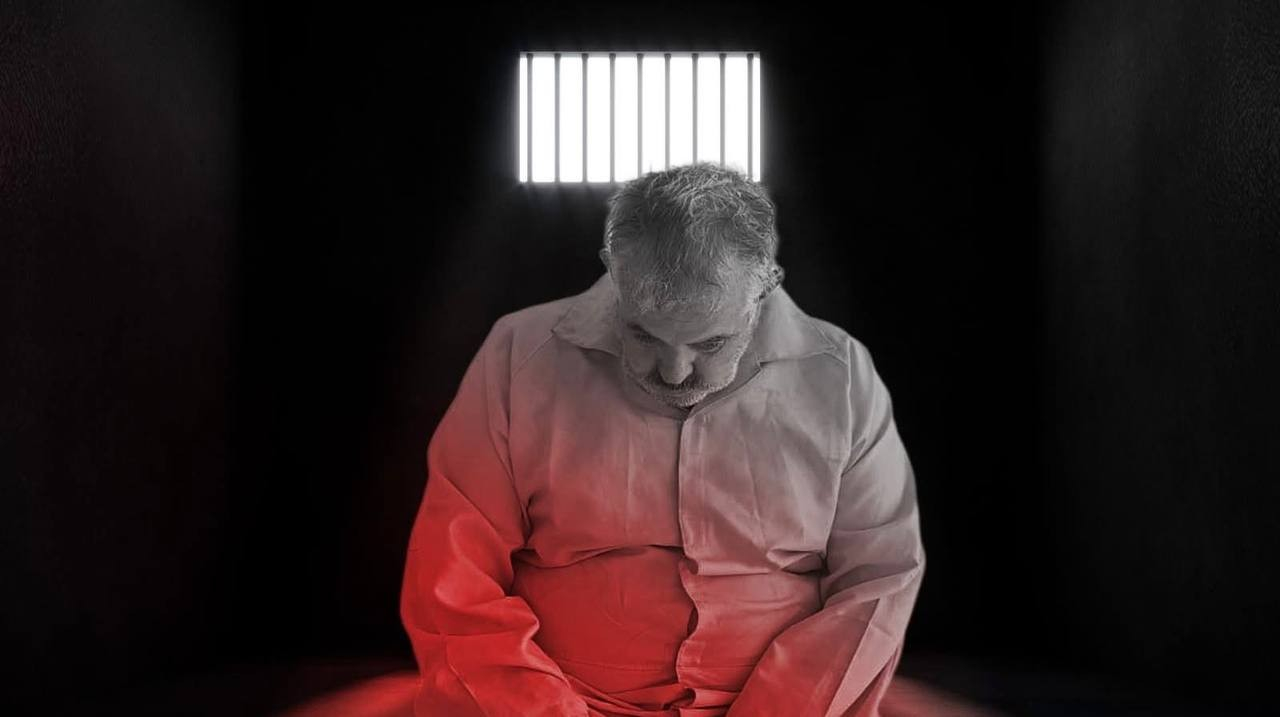
More than 200 relatives of Kurdish Anfal victims traveled to Baghdad on Thursday to attend what is expected to be the final court session in the case of Ajaj Ahmed Hardan al-Tikriti, a former prison commander accused of committing atrocities against Kurdish detainees during the 1988 Anfal campaign.
Al-Tikriti appeared before the Rusafa Criminal Court in a hearing widely viewed by survivors and victims’ families as a historic step in Iraq’s efforts to hold former Baath-era officials accountable for crimes committed against the Kurdish population.
Approximately 221 relatives of victims from Garmian, Khurmatu, Sulaymaniyah, and Erbil gathered inside and outside the courtroom awaiting the anticipated verdict.
The proceedings centered on allegations linked to the notorious Nugra Salman Prison in southern Iraq, one of the most feared detention centers during the rule of Saddam Hussein. Survivors have accused al-Tikriti of overseeing torture, executions, forced disappearances, and inhumane treatment of Kurdish detainees transferred to the prison during the Anfal operations.
According to investigators, the defendant admitted during earlier interrogation stages to involvement in some crimes committed against Kurdish prisoners, increasing expectations that the hearing could conclude with a final ruling.
Iraq’s National Security Service announced al-Tikriti’s arrest in August 2025 after what officials described as a months-long intelligence operation coordinated between security forces in Muthanna and Salahaddin provinces. Authorities identified him as one of the most wanted figures linked to Iraq’s former regime.
The agency accused the former prison commander — known among survivors as the “Butcher of Nugra Salman” — of involvement in torture, killings, burying detainees alive, and sexually abusing female prisoners.
Security sources stated that following the fall of Saddam Hussein’s government in 2003, al-Tikriti fled Iraq, first to Syria and later to the Jaramana district near Damascus.
The Anfal campaign, launched by the former Iraqi regime in 1988, targeted Kurdish communities across northern Iraq through mass killings, village destruction, forced displacement, and chemical attacks. Tens of thousands of Kurds disappeared during the campaign, which has since been recognized by several countries and international institutions as genocide.