U.S. Imposes Sweeping Sanctions on Iran’s “Shadow Banking” Network
The U.S. Department of the Treasury announced on Tuesday a new round of sanctions targeting 35 entities and individuals accused of operating within Iran’s so-called “shadow banking” system, a network Washington says is used to evade sanctions and finance militant activities.
In a statement, the Treasury’s Office of Foreign Assets Control (OFAC) said the measures are part of its ongoing “Economic Fury” campaign, aimed at dismantling financial channels that allegedly enable Iran to move billions of dollars beyond international oversight.
According to U.S. officials, the network provides Iranian institutions, including the Islamic Revolutionary Guard Corps, with access to the global financial system. Authorities say it facilitates payments linked to illicit oil sales, procurement of sensitive military components, and financial support for allied armed groups across the region.
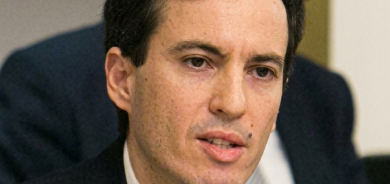
Treasury Secretary Scott Bessent described the system as a “critical financial lifeline” for Iran’s armed forces, warning that institutions engaging with such networks could face “severe consequences.”
The sanctions were imposed under Executive Order 13902 and Executive Order 13224, which target Iran’s financial sector and terrorism financing activities. Officials said the move builds on previous actions taken in January 2026 against networks linked to major Iranian banks.
U.S. authorities said the system relies on intermediaries known as “rahbars,” who manage extensive networks of shell companies and foreign bank accounts to process payments for sanctioned Iranian trade. These intermediaries are believed to work closely with exchange houses and front companies to facilitate transactions tied to Iran’s oil exports and other commodities.
Among those named was Farab Soroush Afagh Qeshm Company, described as a key operator managing transactions for Bank-e Shahr through overseas front companies. Officials also identified firms involved in financing Iranian oil shipments and individuals accused of laundering funds through the network.
The action forms part of a broader U.S. strategy under National Security Presidential Memorandum 2 to increase economic pressure on Iran. Since February 2025, OFAC has sanctioned approximately 1,000 Iran-linked individuals, entities, vessels, and aircraft, according to the Treasury.
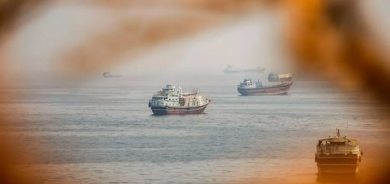
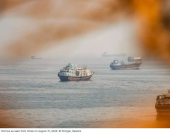
In a parallel advisory, the Treasury warned companies and financial institutions against making payments to Iranian authorities or affiliated groups for transit through the Strait of Hormuz, cautioning that such transactions could expose them to sanctions risks.