Iraq, Iran Discuss Ceasefire Efforts as Israeli Strikes on Lebanon Threaten Regional Truce
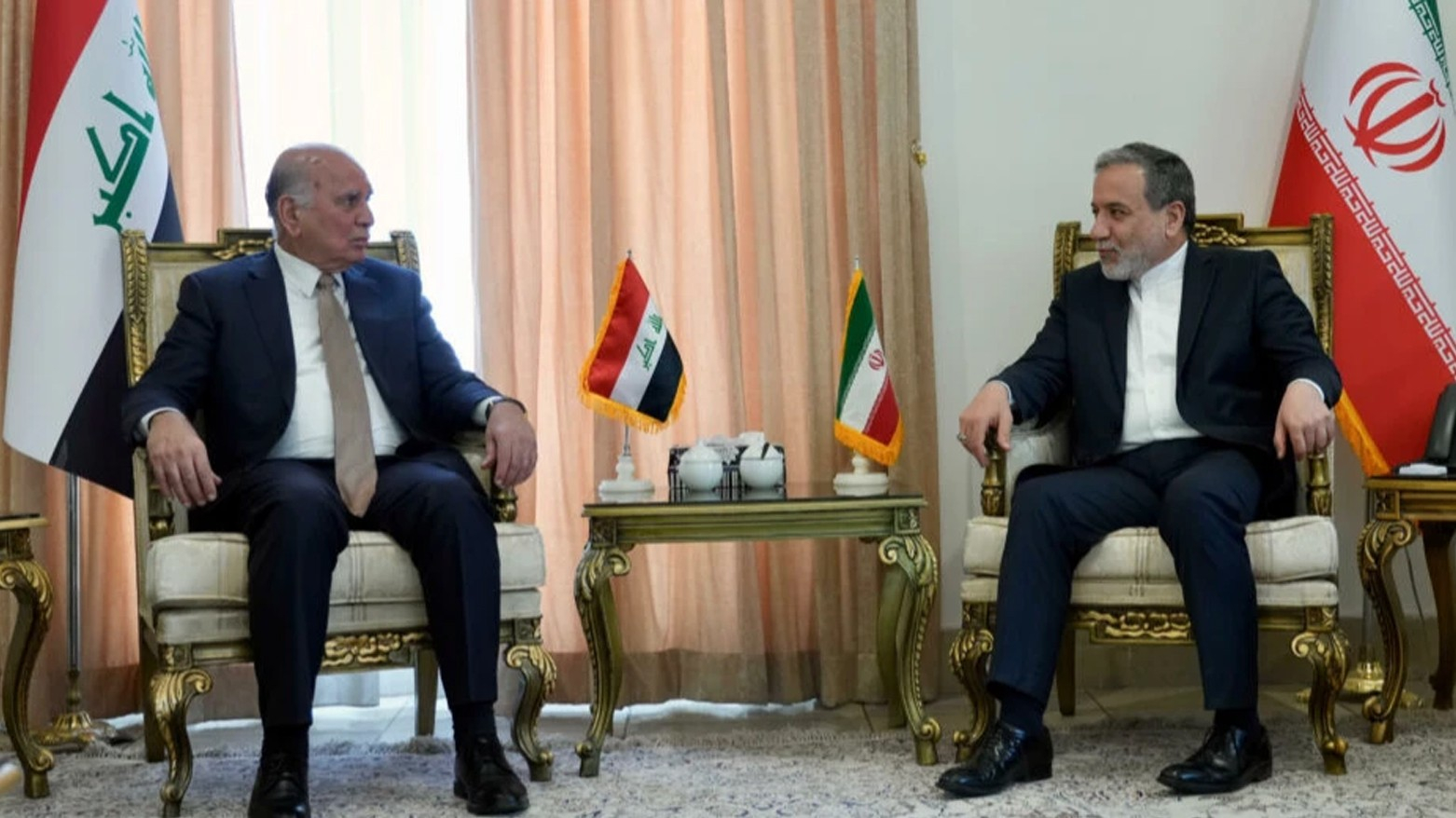
Fuad Hussein, Iraq’s foreign minister, held talks on Thursday with his Iranian counterpart Abbas Araghchi to discuss efforts to sustain a fragile regional ceasefire, as escalating Israeli attacks on Lebanon raised fears of a collapse in the agreement.
According to a statement from the Iraqi Foreign Ministry, the two ministers reviewed the details of ongoing negotiations aimed at maintaining the ceasefire and reducing regional tensions. They also discussed the latest developments in Lebanon and the humanitarian and security consequences of the intensifying conflict.
The statement praised the diplomatic role of Shehbaz Sharif, the Prime Minister of Pakistan, and other international actors who have been working to facilitate dialogue between the involved parties.
During the call, the ministers stressed the importance of broader coordination among regional and international partners to pressure the United States to compel the government of Israeli Prime Minister Benjamin Netanyahu to halt its military campaign in Lebanon and restore confidence in the negotiation process.
Araghchi also briefed Baghdad on his recent diplomatic contacts with global leaders aimed at de-escalating tensions and preventing a wider regional conflict.
The discussions came just hours after a two-week ceasefire between the United States and Iran was announced. The truce, reportedly brokered by Pakistan, seeks to reduce tensions following weeks of escalating confrontation involving Israel.
The ceasefire is intended to open a diplomatic window for broader negotiations over Iran’s nuclear program, sanctions relief, and regional security arrangements after months of rising hostilities that included US and Israeli strikes on Iranian-linked targets and retaliatory actions by Tehran and its regional allies.
The confrontation had sparked fears of a wider regional war, particularly as tensions spread to several flashpoints including the Gulf and Lebanon. In Lebanon, the Iran-backed militant group Hezbollah has been engaged in ongoing cross-border exchanges with Israel.
Global concern has also centered on the security of the Strait of Hormuz, a vital maritime route through which a significant portion of the world’s oil supply is transported.
Despite the ceasefire announcement, the agreement has already come under pressure due to conflicting interpretations of its scope. Pakistani Prime Minister Shehbaz Sharif suggested the de-escalation applied across all fronts, including Lebanon.
However, officials in Washington later clarified that the deal does not cover Israeli military operations against Hezbollah. The position was also echoed by US Vice President JD Vance.
These differing interpretations have fueled uncertainty about the durability of the truce. Iran argues that continued Israeli attacks undermine the spirit of the ceasefire, while the United States and Israel insist that operations in Lebanon remain separate from the agreement.
On the ground, Israeli forces launched one of their heaviest waves of strikes on Wednesday, targeting more than 100 locations across Beirut, the Bekaa Valley, and southern Lebanon. Preliminary reports indicate that at least 254 people were killed and more than 1,500 injured, highlighting the scale of the escalation and raising fears of a deepening humanitarian crisis.