Iraqi Oil Tankers Yet to Pass Through Strait of Hormuz Despite US–Iran Ceasefire
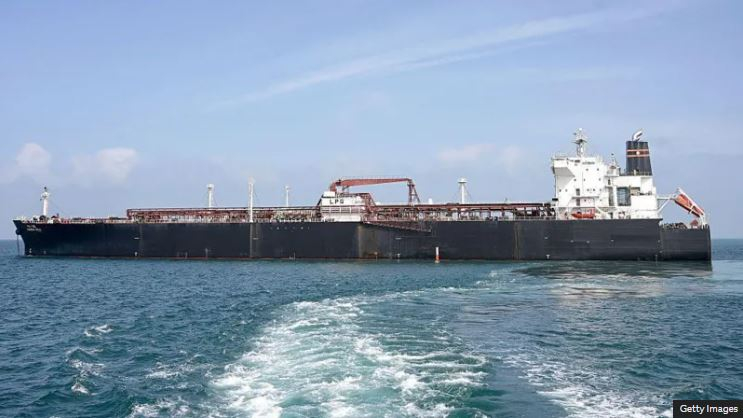
No oil tankers carrying Iraqi crude have passed through the Strait of Hormuz despite the recent ceasefire between the United States and Iran, according to officials from the Iraq Ministry of Oil, citing ongoing security concerns in the strategically important waterway.
Sahib Bazoun, head of the ministry’s media and relations department, told Rudaw Media Network on Thursday that Baghdad is still assessing the security situation before allowing Iraqi oil shipments to resume through the strait.
“As of now, no Iraqi oil ship has passed through the Strait of Hormuz since the ceasefire,” Bazoun said, noting that Iraq cannot independently guarantee the safety of its vessels in the region.
The Strait of Hormuz remains one of the world’s most critical energy transit routes, carrying a large portion of global crude oil exports. Shipping in the area has been heavily disrupted since the outbreak of the US-Iran conflict in late February.
Although Washington and Tehran announced a ceasefire earlier this week, maritime traffic through the waterway has yet to return to normal levels. The fragile truce is further threatened by ongoing Israeli military strikes in Lebanon. Tehran has insisted that any ceasefire arrangement must also include Lebanon, where the Iran-backed armed group Hezbollah entered the conflict by targeting Israel, prompting a strong Israeli response.
Meanwhile, Iraq has begun redirecting some of its exports through northern routes. Bazoun said the country is currently exporting more than 200,000 barrels of oil per day through the Kurdistan Region to Turkey’s Mediterranean port of Port of Ceyhan.
The shipments include crude oil from both Kirkuk and Basra. According to Bazoun, part of the Basra crude is transported by tanker to Kirkuk before being exported through the northern pipeline system.
Officials expect northern exports to rise in the coming weeks. Amer Khalil, head of the North Oil Company, previously said that combined exports of Kirkuk and Kurdistan Region oil through the Ceyhan pipeline have already reached nearly 200,000 barrels per day, with plans to increase output to 300,000 barrels per day.
Baghdad has also prepared contingency plans to bypass the Strait of Hormuz if security conditions worsen. Iraqi authorities have reportedly reached an understanding with Turkey to transport crude oil by tanker through Turkish territory even if maritime routes reopen.
In addition, construction of Iraq’s own pipeline to Ceyhan is nearing completion. Bazoun said the project has entered its final stage, with only hydrostatic testing remaining before operations begin. Initial export capacity is expected to reach 100,000 barrels per day.
Bazoun also denied reports that Iraq has exported crude oil through Syria, clarifying that only shipments of fuel oil have taken place so far. “The export of crude oil via Syria is still under discussion and review,” he said.
Iraq resumed exports of Kirkuk crude through the Kurdistan Region’s pipeline to Ceyhan on March 18 following an agreement between the federal government in Baghdad and authorities in Erbil, ending a prolonged halt that had strained relations between the two sides and impacted global oil markets.