Global Diplomacy Mobilizes as Shipping Crisis Deepens in the Strait of Hormuz
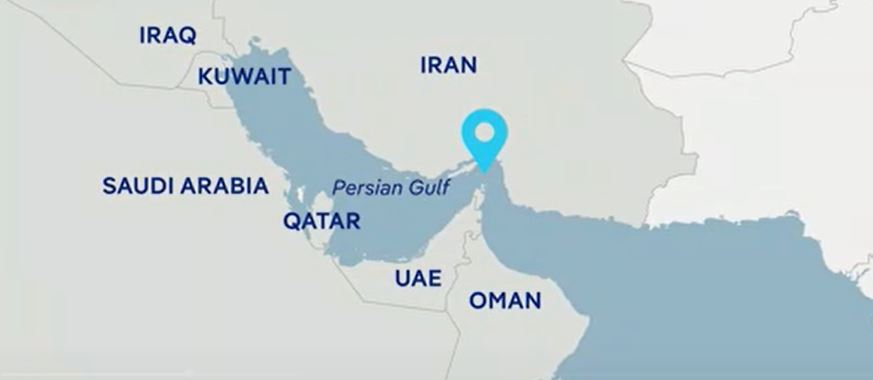
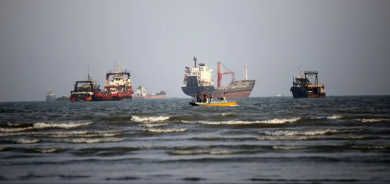
The United Kingdom is preparing to host a major virtual meeting involving around 35 countries to address the severe disruption of shipping through the Strait of Hormuz, a vital global energy corridor increasingly affected by the ongoing conflict involving Iran, the United States, and Israel.
According to British officials, the meeting aims to coordinate international efforts to restore maritime navigation and stabilize global trade routes that have been heavily impacted by rising tensions in the region.
Prime Minister Keir Starmer announced that the meeting will be led by Foreign Secretary Yvette Cooper. Discussions will focus primarily on diplomatic and political strategies to reopen the critical waterway, ensure the safety of commercial vessels and their crews, and resume the uninterrupted flow of goods through the strait.
Starmer noted that the talks will also involve military planners who will assess potential security arrangements aimed at protecting shipping lanes once conditions allow maritime traffic to safely resume.
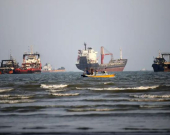
The Strait of Hormuz is considered one of the most strategically important maritime chokepoints in the world, with nearly 20 percent of global oil and liquefied natural gas supplies passing through the narrow passage each day. In recent weeks, however, traffic has been severely restricted, raising alarms in global energy markets and triggering sharp fluctuations in oil prices while supply chains face growing uncertainty.
The disruption follows a broader regional escalation that began in late February, when large-scale military strikes triggered a cycle of retaliation across the Middle East. Since then, maritime security has deteriorated significantly, with commercial vessels facing increasing threats from missiles, drones, and naval operations throughout the Gulf region.
Countries including France, Germany, Italy, Japan, and the Netherlands are expected to participate in the discussions, highlighting the global economic stakes tied to reopening the strait. Many of these nations rely heavily on energy imports transported through the route, making its security a major international priority.
Despite the urgency, Starmer cautioned that restoring full navigation through the strait will not be straightforward. He emphasized the complexity of guaranteeing safe passage in an environment where military tensions remain high and multiple regional and global actors are involved.
Meanwhile, several governments are considering the release of strategic oil reserves to stabilize global markets. Major shipping companies have also begun rerouting vessels around Africa or suspending operations in the Gulf altogether due to soaring insurance costs and mounting security risks.
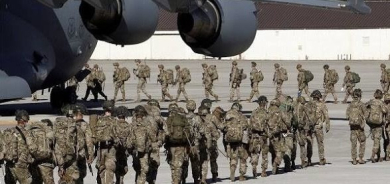
At the same time, the United States has increased its military presence in the region in an effort to deter further threats to maritime navigation while continuing broader military operations linked to the ongoing conflict.
President Donald Trump has criticized European allies for what he described as a limited role in efforts to reopen the strait and insufficient support for U.S. policy, revealing divisions among Western countries over how to respond to the escalating crisis.