Why the Strait of Hormuz Is Too Dangerous to Reopen by Force
Tensions in the Middle East are raising global concerns after the ongoing war involving Iran threatened the security of the Strait of Hormuz, one of the world’s most critical oil shipping routes.
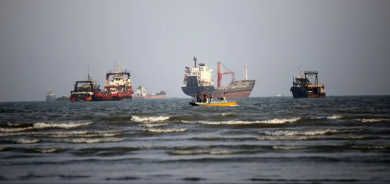
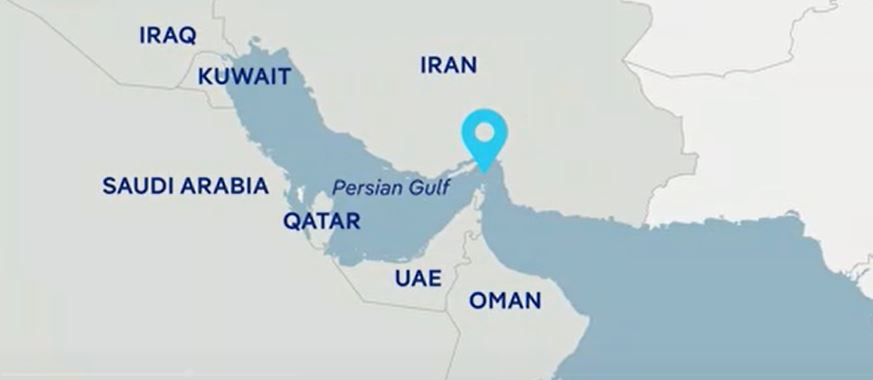
The narrow waterway connects the Persian Gulf with the open ocean and is responsible for transporting a significant share of the world’s oil and liquefied natural gas. Around one-fifth of global oil trade normally passes through the strait, making it one of the most strategically important maritime routes in the world.
Following military strikes by the United States and Israel against Iran, Tehran responded by tightening control over the waterway. Iran’s Islamic Revolutionary Guard Corps (IRGC) has warned ships that passage through the strait may be restricted, effectively reducing shipping traffic and creating major disruptions in global energy markets.
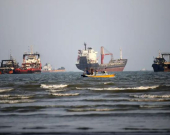
The crisis has already had global economic consequences. Oil prices have surged sharply as shipping companies hesitate to send tankers through the region due to fears of attacks, mines, or drone strikes. Military analysts say that securing the waterway is extremely difficult because of Iran’s geographical advantage and its ability to deploy missiles, drones, and naval mines along the coast.
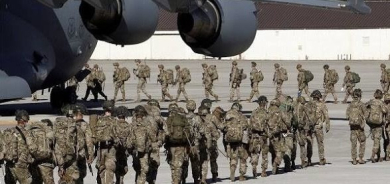
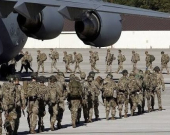
The U.S. military is now considering several options to reopen the shipping lane, including naval escorts, air operations, and potential strikes against Iranian military positions. However, experts warn that restoring safe passage could take weeks or even months.
If the strait remains blocked, the consequences could be severe for the global economy, especially for Asian countries that rely heavily on Gulf oil exports.