Half of the Runaki households in Kurdistan billed less than 36,000 IQD in February
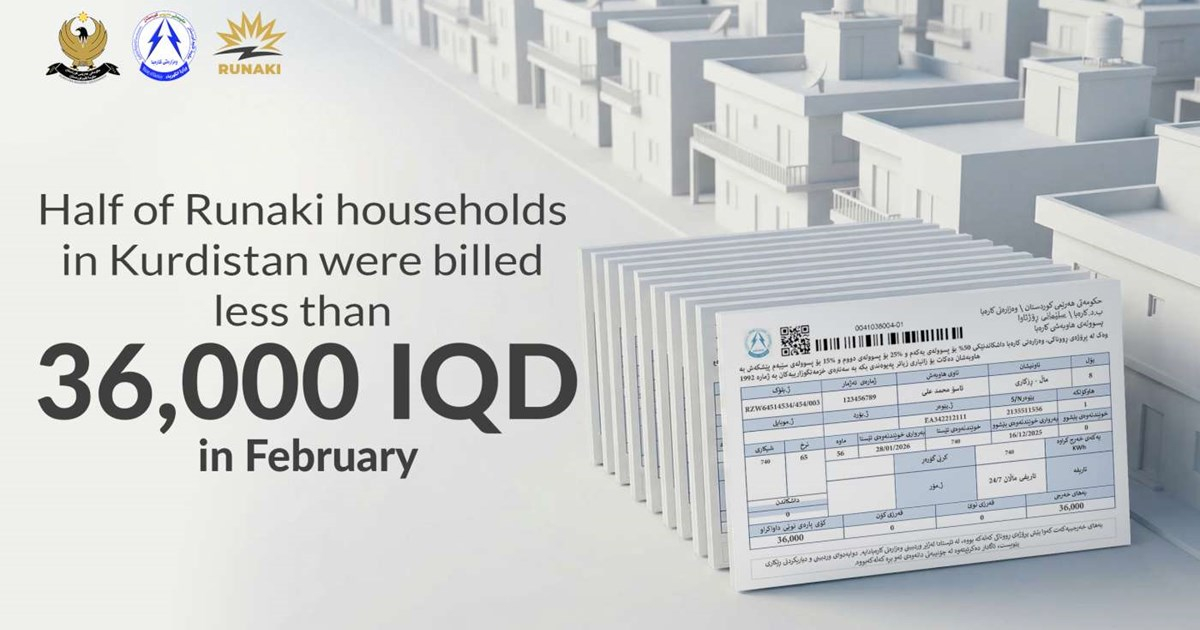
The Ministry of Electricity has announced that households participating in the Runaki programme enjoyed record-low electricity bills for February. Across the Kurdistan Region, half of the households under the programme paid less than 36,000 IQD, with Erbil households paying below 30,000 IQD, Slemani below 35,000 IQD, Duhok below 74,000 IQD, and Halabja below 39,000 IQD.
Currently, nearly 4.5 million people, accounting for over 70% of the region’s population, benefit from 24-hour electricity access. Participation in the Runaki programme extends to both citizens and businesses, with the largest numbers in Erbil (1.935 million citizens and 61,000 businesses) and Slemani (1.345 million citizens and 35,000 businesses). Smaller governorates such as Halabja, Zakho, Soran, and Raparin also have thousands of households and businesses connected.
Data from Runaki indicate that approximately 80% of households, particularly those with low incomes, now pay less for electricity than they previously did for a combination of the national grid and neighbourhood diesel generators.
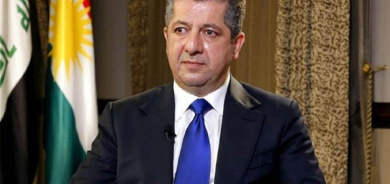
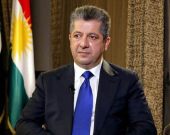
Prime Minister Masrour Barzani launched the Runaki programme in October 2024, and the KRG Council of Ministers formally approved the programme and new progressive tariffs in May 2025. The Kurdistan Regional Government aims to provide 24-hour electricity to every home and business across the region by the end of 2026. Currently, all major city centres already enjoy uninterrupted electricity access.