China Calls for Ceasefire in Iran–Israel–US Conflict, Signals Reluctance to Join Maritime Coalition in Strait of Hormuz
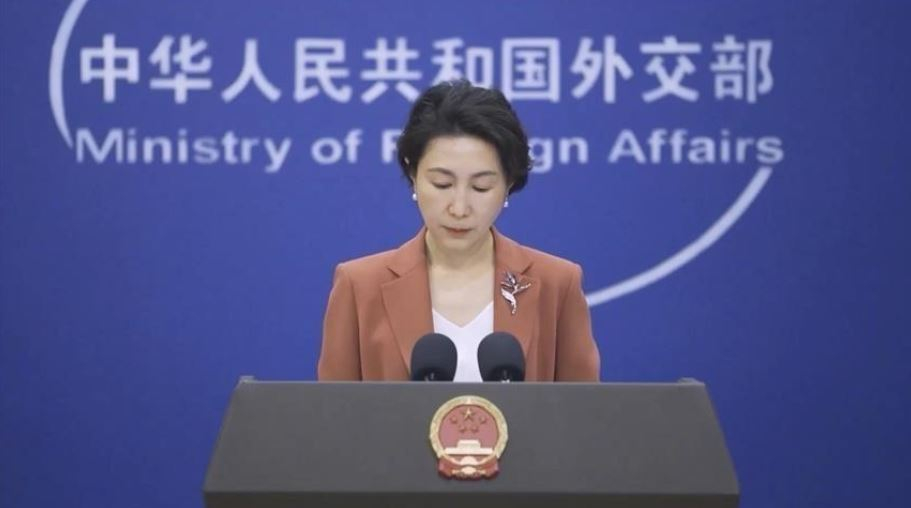
China’s Special Envoy for the Middle East, Zhai Jun, on Monday urged international actors to prioritize an immediate ceasefire in the escalating conflict involving Iran, Israel, and the United States, warning that continued military escalation threatens the security of navigation through the strategically vital Strait of Hormuz.
Speaking about the rising tensions, Zhai emphasized that the waterway and its surrounding routes are “important international trade routes for goods and energy,” stressing that maintaining regional stability is in the interest of the entire international community.
“Maintaining regional security and stability is a shared responsibility of the entire region and is in line with the common interests of the international community,” he said, calling on all parties to halt military operations and avoid further escalation.
When asked by Rudaw journalist Mahdi Faraj whether Beijing would join a maritime coalition proposed by Donald Trump to secure shipping lanes in the Strait of Hormuz, the Chinese envoy signaled hesitation. Zhai suggested that China believes diplomacy rather than military deployments is the key to restoring safe navigation.
“We hope the situation in the Strait can cool down,” Zhai stated, adding that “only a ceasefire can solve the fundamental problem of navigation.”
He also noted that China is maintaining communication with all regional stakeholders and that during his recent visits across the Middle East, nearly all governments expressed serious concern about the security of shipping in the Strait.
The diplomatic appeal comes amid an escalating military confrontation. On February 28, the United States and Israel launched a joint campaign against Iran, targeting the country’s security infrastructure. According to United States Central Command (CENTCOM), the operation—named Operation Epic Fury—has struck nearly 8,000 sites across Iran since its launch.
Iran responded with a large-scale retaliatory campaign, Operation True Promise 4, during which it reportedly launched more than 2,000 drones and over 600 missiles targeting US and Israeli positions across the region, particularly in Gulf Arab states.
Tehran has also tightened control over the Strait of Hormuz, effectively closing the crucial shipping route to commercial traffic. The strait carries roughly 20 percent of global seaborne oil trade, and its closure has already disrupted regional energy supplies and driven global oil prices up by an estimated 40 to 50 percent.
Since mid-March, President Trump has pushed for the creation of an international maritime coalition to ensure the free flow of shipping through the Strait. However, the initiative has received limited support from key allies, particularly within NATO.