Tensions Escalate in Gulf: Iran Strikes Qatari LNG, Trump Threatens “Massive” Attack on South Pars Gasfield
Tensions across the Middle East have surged sharply into a broader crisis after a series of strikes on energy infrastructure and increasingly stark military threats from multiple capitals.
Iran’s foreign minister has warned that Tehran will show “zero restraint” if its energy infrastructure is targeted again, in unusually forceful language that reflects deep frustration with ongoing attacks on Iranian energy facilities. Iranian officials argue recent strikes on gas and oil infrastructure have struck at the core of the nation’s economy and security.
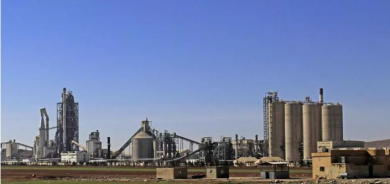
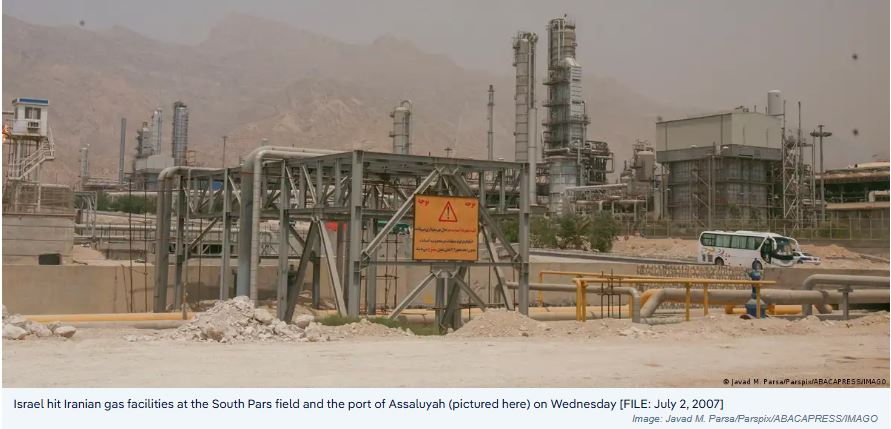
The escalation stems from a controversial Israeli airstrike this week on the South Pars natural gas field — the world’s largest — jointly operated by Iran and Qatar. Iran condemned the attack as an unprovoked blow to its energy heartland, and the strike reportedly damaged a significant portion of Iranian gas production.
In direct response, Iran launched missile and drone attacks against energy infrastructure across the Gulf, including at Qatar’s Ras Laffan liquefied natural gas (LNG) industrial city, one of the world’s most important LNG export facilities. Damage at Ras Laffan has disrupted operations and rattled markets; the Qatari government and energy sector have denounced the strike and warned of broader consequences.
Against this backdrop, U.S. President Donald Trump issued some of the most dramatic warnings of the conflict to date. Trump publicly blamed Israel for the attack on South Pars — while insisting the United States and Qatar were not involved — and warned Iran against further retaliation against Qatar. Most strikingly, he declared that should Iran attack Qatar’s energy facilities again, the United States would be prepared to “massively blow up” Iran’s South Pars gasfield, with or without Israel’s involvement. Trump characterized this as an extreme but necessary deterrent to prevent further damage to Gulf energy infrastructure.
These developments have provoked sharp reactions from other Gulf states, including Saudi Arabia, which has said it reserves the right to take military action against Iran if Iranian strikes continue. Commentators see Riyadh’s stance as part of broader Arab alarm at disruptions to energy exports and regional security.
Financial markets are already reacting, with oil and gas prices spiking as traders price in the risk of wider disruption to supplies passing through the strategic Strait of Hormuz. Analysts warn that continued attacks on energy infrastructure — whether in Iran, Qatar, Saudi Arabia, or elsewhere in the Gulf — could deepen economic shocks globally.
At the same time, global leaders, including from Europe, have called for urgent de‑escalation, urging all parties to halt attacks on civilian energy infrastructure and return to diplomatic channels to avoid further destabilization.