Middle East Escalation Disrupts Global Air Travel as Countries Launch Emergency Evacuations
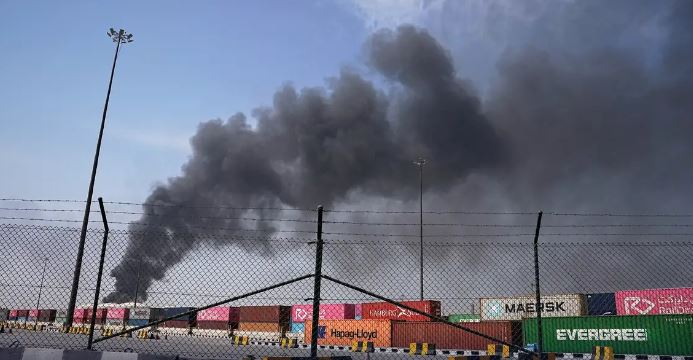
As tensions in the Middle East continue to escalate, governments around the world are intensifying efforts to evacuate their citizens from the region, while new military developments and security incidents add to growing instability.
On Thursday morning, both Israel and Iran launched fresh strikes, signaling a further deterioration in the already volatile situation. The renewed exchange of attacks has heightened concerns about a broader regional confrontation.
Meanwhile, Azerbaijan accused Iran of carrying out a drone attack on one of its territories. The alleged strike targeted the country’s exclave of Nakhchivan Autonomous Republic, raising fears that the conflict could expand beyond its current boundaries.
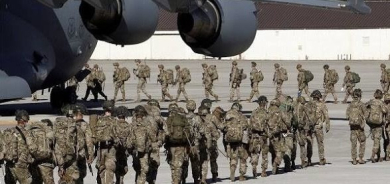
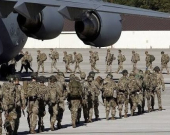
Amid rising security risks and disruptions to air travel, several countries have begun evacuating their nationals. Germany confirmed that its first evacuation flight carrying citizens from the region arrived safely in Frankfurt after departing from Oman.
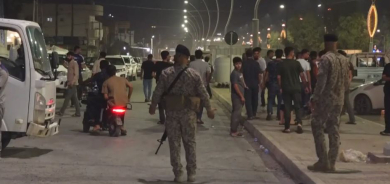
In the Gulf, authorities in Qatar evacuated residents living near the United States Embassy in Doha as a precautionary measure amid heightened regional tensions.
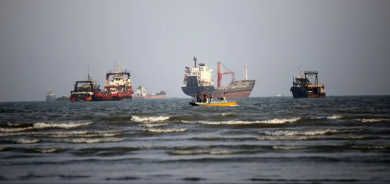
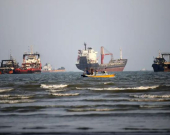
Adding to the uncertainty, a tanker anchored off the coast of Kuwait reported an explosion that resulted in an oil leak. Officials are investigating the cause of the incident, which has raised environmental and security concerns.
With military exchanges continuing and aviation routes increasingly disrupted, airlines and governments are closely monitoring the rapidly evolving situation while urging citizens to remain cautious and follow official guidance.