US, Iran Confirm Talks in Oman Despite Agenda Disputes
The United States and Iran confirmed on Wednesday that officials from both countries will meet in Oman on Friday, easing doubts raised earlier in the day amid reports of disagreements over the talks’ format and venue.
Iranian Foreign Minister Abbas Araghchi said the nuclear talks are scheduled to take place in Muscat, thanking Oman for facilitating the meeting. “I’m grateful to our Omani brothers for making all the necessary arrangements,” Araghchi wrote on X. White House officials also confirmed the meeting, after earlier indications that Turkey was being considered as a possible venue.
Reports earlier on Wednesday suggested negotiations were at risk of collapsing due to disputes over logistics and scope. While the talks are now confirmed, sharp differences remain over their agenda.
Tehran has sought to limit discussions to Iran’s long-running nuclear dispute with Western powers. However, US Secretary of State Marco Rubio signaled a broader approach, telling reporters that Washington is ready to meet but expects talks to cover Iran’s ballistic missile program, its support for armed proxy groups in the Middle East, and its domestic human rights record, in addition to nuclear issues.
Senior Iranian officials rejected that position, telling Reuters that Iran’s missile program is “off the table.” Another official warned that US insistence on non-nuclear issues could jeopardize the negotiations, even as Tehran expressed willingness to engage on the nuclear file.
The confirmation of talks comes amid escalating rhetoric from US President Donald Trump, who has intensified pressure on Iran’s leadership. In an interview with NBC News, Trump said Iran’s Supreme Leader Ayatollah Ali Khamenei “should be very worried,” alleging that Tehran was planning to build a new nuclear facility in response to recent US strikes on Iranian nuclear sites during Israel’s war with Iran in June.
“They were thinking about starting a new site in a different part of the country,” Trump said. “We found out about it. I said, ‘You do that, we’re going to do very bad things to you.’”
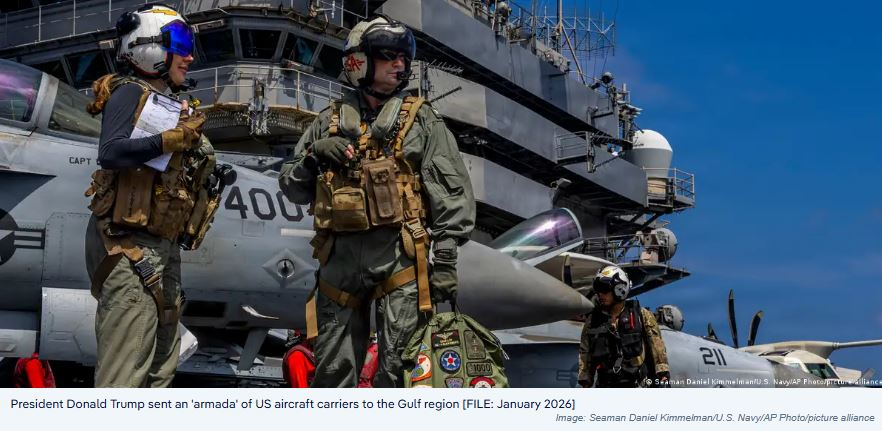
In recent weeks, the United States has bolstered its military presence in the region, with Trump declining to rule out further military action as diplomatic efforts continue under heightened tension.