Kurdish-Led Forces Conditionally Support Syria Ceasefire, Warn of Forceful Response to Attacks
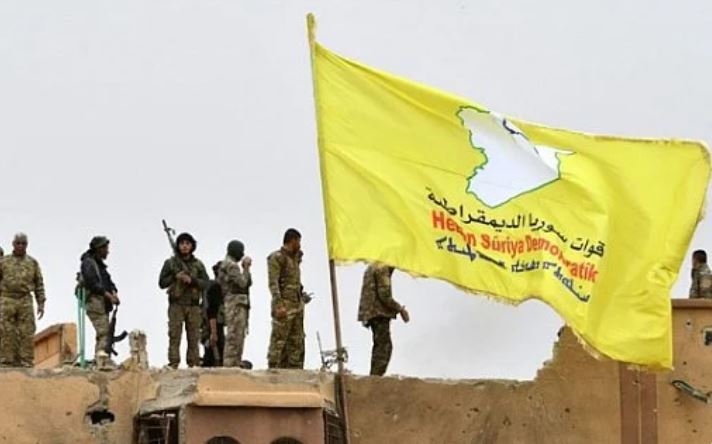
The Kurdish People’s Protection Units (YPG) stated on Monday they support the continuation of a fragile U.S.-brokered ceasefire in northern and eastern Syria but vowed to respond with force to any attacks by the Syrian Arab Army or its allied factions.
“We want the ceasefire to continue. But if we are attacked, we will respond in the strongest way possible,” Siyamand Ali, head of the YPG’s media office, told Rudaw. The YPG forms the backbone of the Kurdish-led Syrian Democratic Forces (SDF).
The ceasefire, recently extended for an additional 15 days, is intended to facilitate the transfer of Islamic State (ISIS) detainees from SDF-run prisons to Iraq. It follows a major military escalation in mid-January, where Syrian government forces and allied factions launched a large-scale offensive across eastern Aleppo, Deir ez-Zor, Raqqa, and Hasaka provinces.
Despite the agreement, tensions remain high. Ali claimed that Damascus-aligned armed groups have repeatedly violated the truce, reporting at least six violations on Sunday alone, mostly in the Kobane area. He accused these factions of attacking villages, resulting in civilian casualties, including the death of a child.
Conversely, Syria’s defense ministry has accused the SDF of attacking government forces near Kobane—a claim Ali flatly denied, stating SDF forces were not operating in the cited location.
On the ground, SDF forces remain on high alert across five frontlines in Hasaka province amid sporadic attacks. In a separate development, the SDF reported conducting "intense attacks" against positions in the southeast of Kobane on Monday, citing ongoing clashes and increased Turkish drone activity.
Ali called for international intervention to bolster the ceasefire. “Conflict does not serve any side, and there will be no winner,” he said, while reiterating the SDF’s readiness to “repel any attack by the Damascus government in the strongest possible way.”
He also leveled criticism at the U.S.-led Global Coalition against ISIS, accusing it of failing in its “moral and humanitarian responsibilities” and of supporting Syria’s transitional government, a force whose "past background they know very well."