Trump Signs Executive Order Targeting Countries Supplying Oil to Cuba
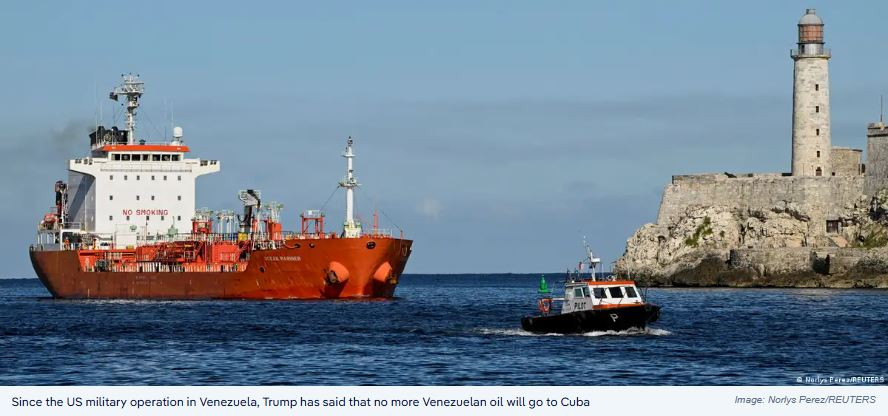
President Donald Trump on Thursday signed an executive order aimed at cutting off Cuba’s access to foreign oil that could deepen an already severe energy crisis on the Caribbean island. The order declares a national emergency and empowers the U.S. government to impose additional tariffs on goods from any country that sells or otherwise provides oil to Cuba. The White House justified the measure by calling the Cuban government an “unusual and extraordinary threat” to U.S. national security and foreign policy.
The executive order invokes the International Emergency Economic Powers Act and authorizes U.S. officials to develop and enforce the tariff system, though specific rates and timing have not yet been announced. According to official language from the White House, additional duties may be imposed on imports from countries directly or indirectly supplying oil to the island.
Cuba’s fragile energy situation has worsened sharply since Venezuela — historically its main oil supplier — ceased shipments following a controversial U.S. military operation that resulted in the capture of Venezuelan President Nicolás Maduro earlier this month. President Trump has publicly stated that “no more Venezuelan oil will go to Cuba.”
Mexico, which had increasingly filled the gap with fuel shipments, has temporarily suspended deliveries in recent days amid mounting U.S. pressure and legal uncertainty. Mexican officials insist the decision is sovereign and not fully a result of U.S. pressure, though analysts note that the tariff threat directly affects its ability to continue supplying Cuba without economic consequences.
With Venezuelan shipments halted and Mexican deliveries reduced, Cuba now faces an acute shortage of fuel, raising fears of prolonged power outages, transportation breakdowns, and disruptions to basic services. International media reports suggest Cuba may only have a few weeks of oil reserves left if new supplies do not arrive.
Cuba’s government has strongly condemned the U.S. action. Foreign Minister Bruno Rodríguez described the executive order as a “brutal act of aggression” and accused Washington of trying to exacerbate living conditions for the Cuban people after more than six decades under a U.S. embargo. Cuban officials argue that the sanctions are designed to deepen economic hardship and destabilize the government.
The move has prompted regional concern. Mexico has affirmed its sovereign right to decide oil shipments and expressed solidarity with Cuba, although it stopped sending most fuel. Other Latin American governments and international organizations have criticized broad economic sanctions that they say disproportionately affect civilians and violate principles of free trade and national sovereignty.
International commentators warn that escalating tensions over oil supplies could strain U.S. relations with neighboring countries and worsen Cuba’s humanitarian and economic challenges already caused by long-standing trade embargos and declining energy imports.