Kurdistan Region PM Highlights Economic Goals and Rojava Crisis Following Davos Forum
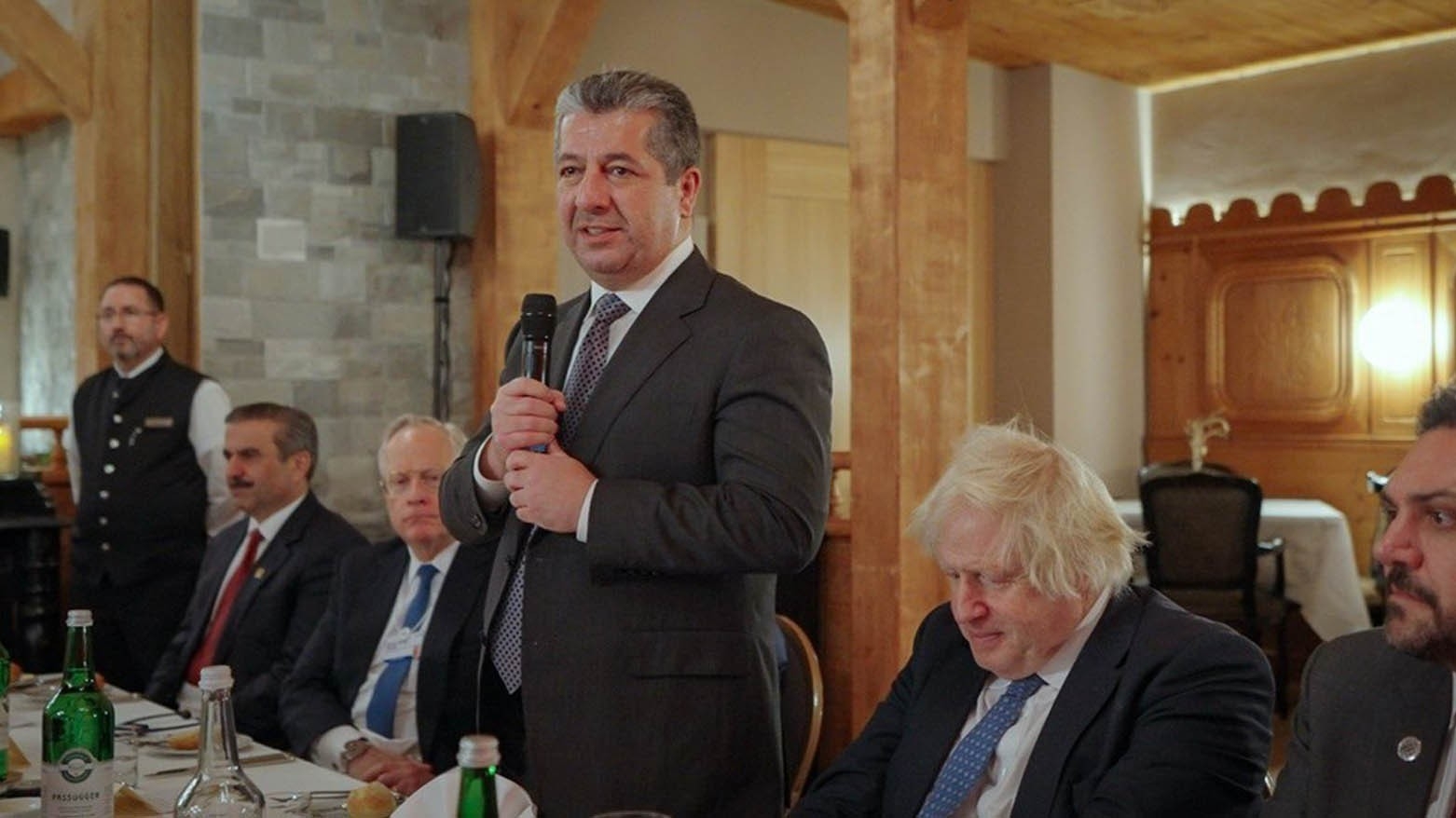
Prime Minister Masrour Barzani of the Kurdistan Region detailed the outcomes of his participation in the World Economic Forum (WEF) in Davos during a press conference on Thursday, outlining a dual focus on economic outreach and urgent regional security, particularly regarding the situation in Rojava (Syrian Kurdistan).
Barzani stated that his engagements at the forum followed two primary tracks. The first centered on enhancing trade and economic relations with nations and global corporations, alongside promoting new investment opportunities within the Kurdistan Region.
“Meetings with business leaders and officials aimed to position the Kurdistan Region as an attractive destination for foreign investment and long-term economic cooperation,” the Prime Minister said.
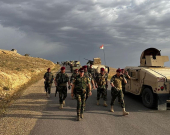
The second track, he noted, focused intensely on regional developments, with particular emphasis on de-escalating tensions and halting what he termed “unjustified attacks against the Kurds in Rojava.” Barzani reported holding detailed discussions with world leaders on the issue, expressing hope that these diplomatic efforts would yield tangible results leading to an end of the war and a restoration of peace and stability.
“The war—particularly in Rojava—must come to an end,” Barzani stressed, addressing the broader Syrian conflict. “All sides should work toward an agreement that ensures lasting peace. This remains a key objective of our diplomatic efforts.”
While the primary aim of the Davos visit was economic, the Prime Minister acknowledged that the situation in Rojava emerged as the dominant topic in his meetings with international figures.
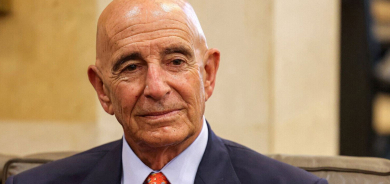
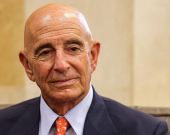
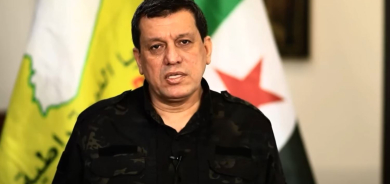
Barzani also referenced the recent meeting in Erbil between Syrian Democratic Forces (SDF) Commander Mazloum Abdi and U.S. official Tom Barrack. “My understanding is that the ceasefire should continue,” he commented, “to provide space for mutual understanding, allow peace to prevail, and ultimately bring the conflict to an end.”
On the international community’s stance, the Prime Minister reported a clear consensus among leaders he met. “World leaders made clear that no one favors war, and there is broad agreement on the need to end confrontations,” he said. He emphasized that extending the ceasefire is now crucial to relieve the people of Kurdistan from ongoing psychological pressure and uncertainty.