SDF On Maximum Alert After Major Attack on Strategic Dam; Escalation Follows Kurdish Withdrawal from Aleppo
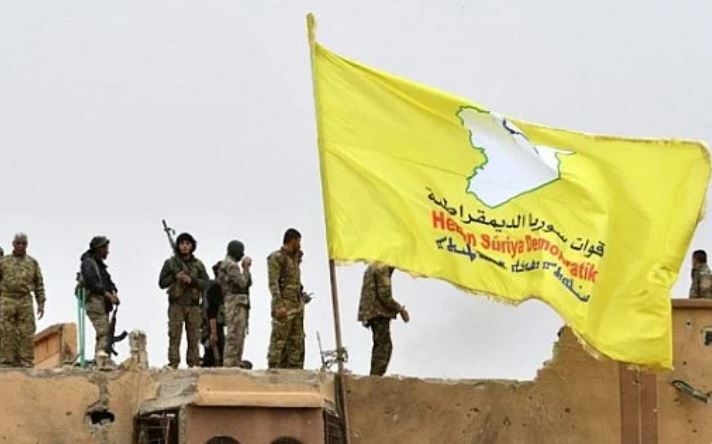
The Syrian Democratic Forces (SDF) have placed all units on maximum alert following a major, coordinated aerial and artillery assault on the strategic Tishrin Dam early Monday, marking a dangerous and significant widening of hostilities in northern Syria.
The attack comes less than 24 hours after the Kurdish-led force agreed to a mediated ceasefire and withdrawal from contested neighborhoods in Aleppo, a move intended to de-escalate a separate, brutal urban battle.
According to a dawn statement from the SDF Media Center, the airspace around the vital Euphrates River dam witnessed "intensive activity" by suicide drones, which the SDF attributed to "armed groups and militias loyal to the Damascus government." These drone incursions were synchronized with intense artillery shelling targeting the same area, raising severe concerns for the infrastructure's security.
Complicating the volatile situation, the SDF reported that Turkish Army warplanes were also "flying heavily" in the skies above the region during the bombardment. The statement said this presence increased the "severity of field complexities" for ground forces. The SDF confirmed its troops are now closely monitoring all military movements across the region.
The assault on Tishrin Dam opens a volatile new front just as one flashpoint in Aleppo saw a fragile resolution. On Sunday, SDF General Commander Mazloum Abdi announced an internationally mediated agreement to implement a ceasefire in the Kurdish-majority Sheikh Maqsud and Ashrafiyeh districts, following five days of heavy combat.
Under the deal, Kurdish fighters, wounded individuals, and besieged civilians are being evacuated to areas administered by the Autonomous Administration of North and East Syria. Abdi described the withdrawal as a necessary step to protect civilians.
The context of that retreat was described in grim terms. The Internal Security Forces in Sheikh Maqsud had earlier accused pro-government paramilitary units of launching a systematic offensive aimed at the "extermination" of the local population, using drones, tanks, and heavy artillery since January 6. They alleged the only functional hospital in the neighborhood was struck "dozens of times" and put out of service, a key factor in agreeing to evacuate.
The humanitarian toll in Aleppo has been severe, with reports of at least 60 civilians killed and nearly 100 wounded. The violence triggered a massive displacement, with local officials and aid groups reporting between 27,000 to 155,000 people fleeing their homes, many to the Afrin district amid harsh winter conditions.
The twin developments have drawn sharp criticism from Kurdish political leaders in Türkiye. The co-chairs of the Peoples’ Equality and Democracy Party (DEM Party) condemned the Syrian Arab Army's operations on Sunday, warning of regional destabilization and calling for international action.
The escalation occurs despite recent high-level diplomatic engagement. On Saturday, U.S. Special Envoy for Syria Tom Barrack met with Syrian President Ahmed al-Sharaa in Damascus. Reports indicate Barrack conveyed warnings from Washington that continued violence could undermine Syria's political transition and urged a return to the terms of the "March 2025 integration agreement" between Damascus and the SDF.
However, the new attacks near Tishrin Dam suggest pro-government militias may be seeking to press a military advantage in other strategic sectors, despite American warnings and the Aleppo ceasefire.