Iran Enters Third Week of Unrest as Crackdown Intensifies; Tehran Warns U.S., Israel
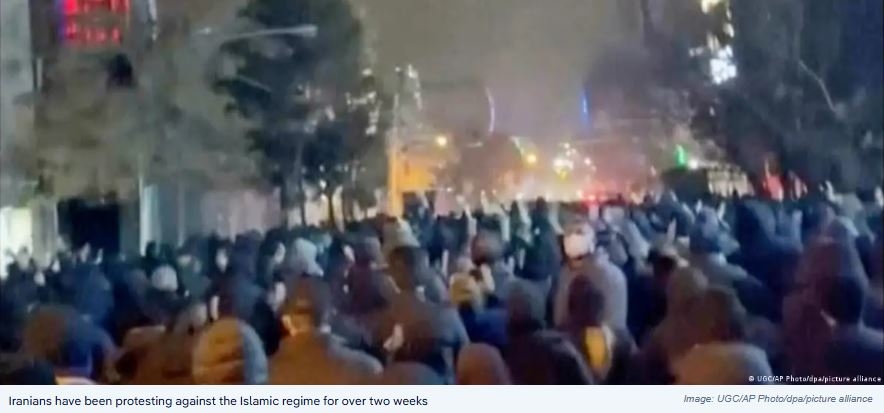
Iran is grappling with its most sustained anti-government protests in years, now entering a third week despite a severe security crackdown and a near-total internet blackout that has severed the country from the outside world for over 60 hours.
The protests, sparked by the death of 22-year-old Mahsa Amini in the custody of the morality police, have evolved into a broad challenge to the nation's clerical leadership. Activists report a "brutal" response from security forces, with the Norway-based Iranian Human Rights group stating at least 192 protesters have been killed since the demonstrations began. The figures cannot be independently verified due to the communications shutdown.
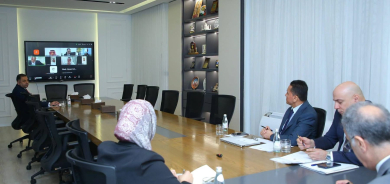
In a significant domestic response, Iran’s parliament convened an emergency closed-door session on Sunday to discuss the escalating crisis. The parliamentary meeting underscores the gravity with which the establishment views the unrest, which has spread to dozens of cities and universities.
Amid the internal turmoil, Tehran issued a stark external warning. Iranian officials have stated that U.S. military bases in the region and Israel will be targeted if the United States carries out any strikes against Iran. The warning highlights the regime's attempt to link internal dissent to external threats, a familiar tactic, while tensions remain high over Iran's nuclear program.
The government’s primary tool for stifling dissent and information flow appears to be a nationwide internet blockade. The ongoing blackout, described by internet monitoring groups as one of the most severe in Iran’s history, has entered its third full day, making verification of on-the-ground events extremely difficult. Citizens are largely cut off from global social media and communication platforms.
Despite the digital isolation, reports are trickling out via sporadic satellite connections and activist networks. These accounts describe a grim humanitarian situation, with some hospitals reportedly "overwhelmed" with casualties from the protests. Medical staff are said to be struggling to treat wounded protesters amid shortages and under the watch of security forces.