Iraq’s Major Shiite Bloc Reaffirms Al-Maliki as PM Pick Amid Government Formation Talks
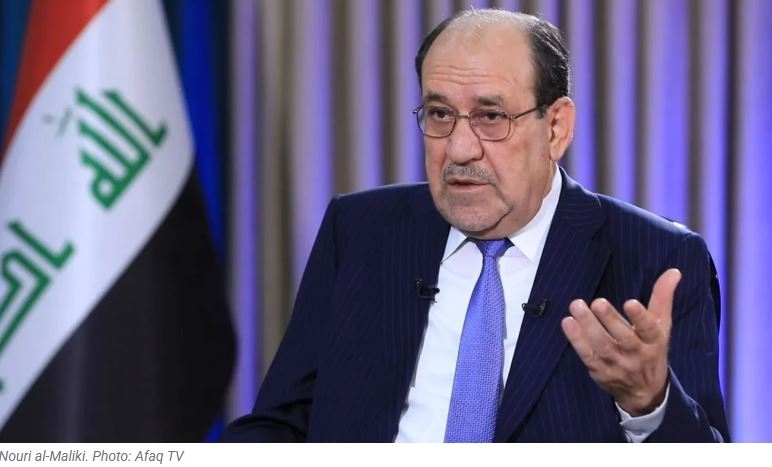
Iraq’s powerful Shiite coalition, the Coordination Framework, moved forcefully on Sunday to quash speculation it was reconsidering its choice for prime minister, insisting that former premier Nouri al-Maliki remains its agreed nominee as tense negotiations over forming a new government enter a decisive phase.
The statement from the bloc followed a weekend of conflicting media reports that had suggested internal divisions or a potential change in candidate. Baqer Saedi, a former lawmaker and Framework figure, asserted that the alliance’s consensus on Maliki was absolute. “The consensus among the Coordination Framework forces regarding Nouri al-Maliki’s nomination is 100% official,” Saedi stated, adding that Maliki’s candidacy would be formally announced on the 29th of this month.
Saedi cited Maliki’s extensive political experience and international connections as critical assets at a time of heightened regional instability. He said an expanded meeting would be convened soon to finalize the vote and begin constitutional steps to form a cabinet.
The affirmation was echoed by Yassin Ameri, another senior Framework figure, who said a meeting on Saturday had reaffirmed the agreement to nominate Maliki as the Shia camp’s candidate. Ameri added that current Prime Minister Mohammed Shia’ al-Sudani had expressed support for Maliki’s bid.
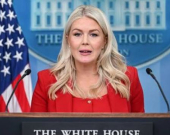
The coordinated statements came as a direct response to reports from outlets like Al-Sumaria News, which cited a political source claiming Sudani—who leads the Reconstruction and Development Alliance—had withdrawn his own candidacy in favor of Maliki to unify the Framework. Those reports suggested all factions approved except for Ammar al-Hakim, who reportedly proposed consulting the religious authority.
Sudani’s bloc promptly denied the account. The Reconstruction and Development Bloc labeled the reports “completely false.” For its part, the Coordination Framework issued a more measured communiqué, confirming only that a regular meeting had been held to continue discussions on government formation and the prime ministerial nomination “in line with constitutional requirements.” It described talks as positive but declined to name a candidate or confirm a final decision.
The public dispute highlights the high-stakes and fragile nature of Iraq’s post-election bargaining. Following the 2025 vote, parliamentary arithmetic is tight. Prime Minister Sudani’s Reconstruction and Development Coalition holds 46 seats in the 329-member Council of Representatives, while Maliki’s State of Law Coalition won 29. Rival alliances are now maneuvering to assemble a governing majority, making internal cohesion within the Coordination Framework essential.
Under Iraq’s constitution, the largest parliamentary bloc must nominate a prime minister-designate, who then has the task of forming a cabinet and securing a confidence vote in parliament. Failure to reach agreement among major factions has historically led to prolonged political deadlock.