Iranian Protests Enter Third Week as Shah's Son Calls for Sustained Demonstrations
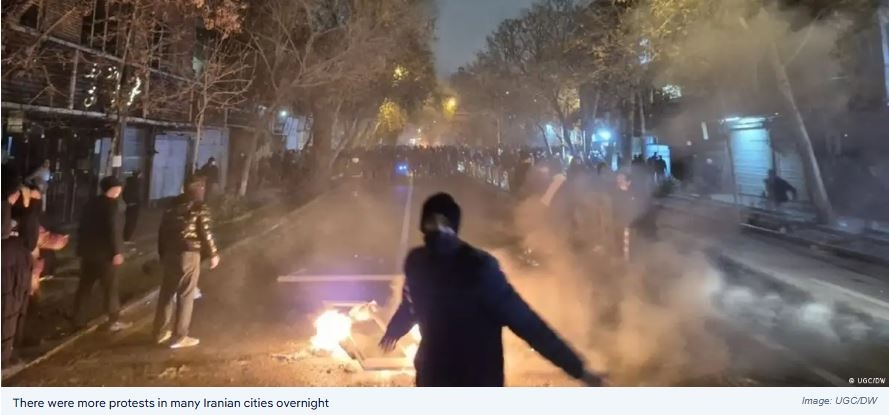
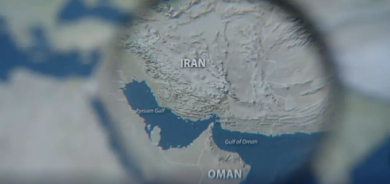
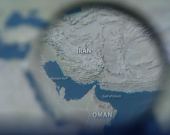
Protests across Iran are set to enter a critical phase this weekend, following a public call for continued mass rallies from Reza Pahlavi, the exiled son of Iran’s last monarch. The nationwide unrest, now in its third week, represents the most significant challenge to the Islamic Republic in years.
The demonstrations began in late December, initially focused on public anger over a severe economic crisis, skyrocketing prices, and widespread corruption. However, the scope of the protests has rapidly expanded, with chants and slogans evolving into direct calls for the overthrow of the ruling clerical regime.
In response, authorities have enacted a severe internet blackout across much of the country, severely limiting communication and the flow of information. Digital rights groups and activists warn the shutdown is a precursor to a more forceful crackdown by security forces, including the powerful Islamic Revolutionary Guard Corps.
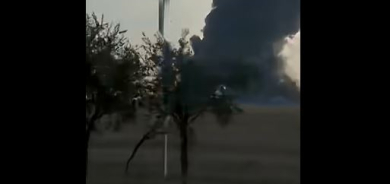
Human rights organizations report that at least 50 protesters have been killed in clashes since the uprising began. The exact toll is difficult to verify independently due to the communications blockade.
The regime’s highest authority, Supreme Leader Ayatollah Ali Khamenei, has taken a firm stance, refusing any concession to the protesters. In public remarks, he dismissed the demonstrators as “vandals” and “saboteurs,” accusing them of acting on behalf of the United States to please President Donald Trump.
The U.S. President has issued renewed warnings to Tehran against using lethal force on its citizens. However, seeking to manage expectations, Trump explicitly stated that any American action would stop short of putting "boots on the ground" in Iran.