Iran Protests Continue as Supreme Leader Rejects Calls for Change
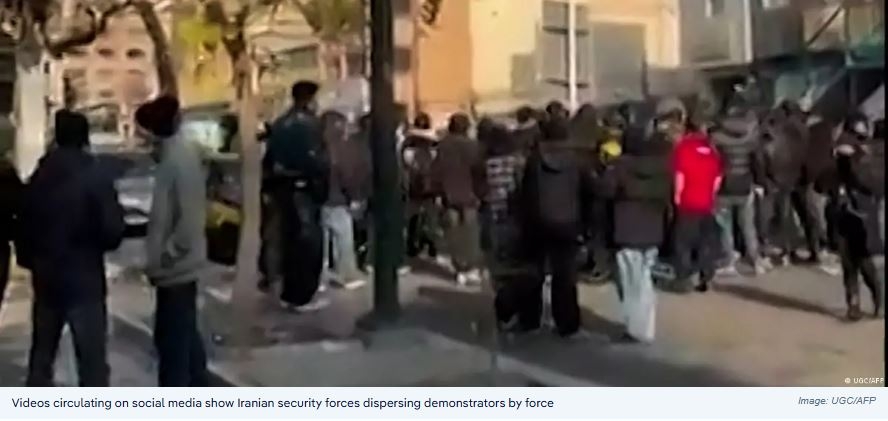
Anti-government demonstrations in Iran continued into Friday as public anger over rising living costs escalated into rare calls for regime change, prompting a harsh response from authorities, including the use of force and widespread internet shutdowns.
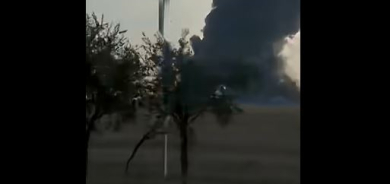
The protests, which began in late December over economic hardship and a sharply depreciating currency, have spread from Tehran to several other cities, including Tabriz, Mashhad, and Kurdish regions in western Iran. Video footage shared online before communication services were restricted showed crowds chanting slogans such as “Death to the dictator” and “Death to the Islamic Republic,” with fires burning in the streets of the capital.
The Norway-based Iran Human Rights organization reported that at least 45 demonstrators have been killed by Iranian security forces since the unrest began. Meanwhile, the U.S.-based Human Rights Activists News Agency (HRANA) said more than 2,200 people have been arrested.
Iranian state media acknowledged the protests and confirmed casualties but did not provide figures, blaming what it described as “terrorist agents” supported by the United States and Israel for inciting violence.
In his first public remarks since the protests began, Supreme Leader Ayatollah Ali Khamenei struck a defiant tone in a televised speech on Friday. He dismissed demonstrators as “vandals” and “saboteurs” and said the Islamic Republic would “not back down” in the face of unrest.
Khamenei accused protesters of acting to please U.S. President Donald Trump, who has warned that Washington would respond “very hard” if Iranian authorities kill protesters. The Iranian leader also accused Trump of having “blood on his hands,” referencing last year’s brief conflict between Iran and Israel, which was supported by the United States.
“These people are destroying their own streets to make the president of another country happy,” Khamenei said, as supporters in the audience chanted “Death to America.” He added that the U.S. president would meet the same fate as Iran’s last shah, who was overthrown in the 1979 Islamic Revolution.
The demonstrations have gained further momentum following calls by Reza Pahlavi, the exiled son of the last shah, urging Iranians to take to the streets. Protesters in several cities have been heard chanting slogans in support of the former monarchy.
Internet monitoring group Netblocks reported that Iranian authorities have significantly restricted internet access nationwide as the protests spread.
Iranian President Masoud Pezeshkian, a reformist, called on security forces to exercise “utmost restraint” and urged officials to engage in dialogue and listen to public demands.
International reactions have intensified. German Foreign Minister Johann Wadephul condemned what he described as the “excessive use of violence against peaceful demonstrators,” while European Parliament President Roberta Metsola expressed solidarity with protesters, saying, “Europe stands by their side.”
U.S. President Donald Trump reiterated his warning that the United States could intervene if Iran “violently kills peaceful protesters.” Israeli Prime Minister Benjamin Netanyahu said the demonstrations represented a moment for Iranians to “take their futures into their own hands.”
The current unrest marks the largest wave of demonstrations since the 2022 “Woman, Life, Freedom” movement, which followed the death of Kurdish-Iranian woman Jina Mahsa Amini in police custody. Analysts say the protests reflect growing frustration among young Iranians with political restrictions, social controls, and the country’s foreign policy.
“The younger generation no longer believes in revolutionary slogans,” a former senior Iranian official said. “They want to live freely.”
“I just want a normal, peaceful life,” said Mina, a resident of western Iran, speaking to Reuters. “Those policies may have made sense in 1979, but not today. The world has changed.”