US Envoy Outlines 18-Point Plan for Iraq in 2026, Vows "New Phase" in Fight Against Corruption, Militias
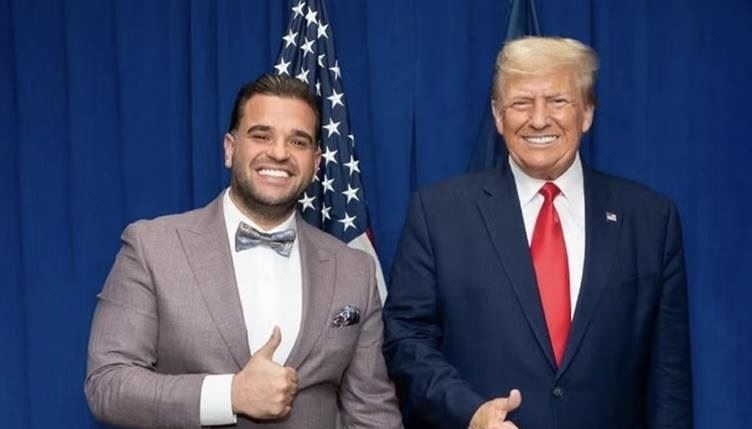
Mark Savaya, the U.S. Special Presidential Envoy for Iraq, has articulated an ambitious 18-point roadmap for Washington’s objectives in Iraq this year, centering on ending instability, dismantling militia power, and eradicating systemic corruption that he blames for the nation’s decline.
In a detailed New Year’s address to the Iraqi people, Savaya extended congratulations and framed 2026 as “a year of renewed opportunity and a return of hope.” He asserted that the United States is committed to collaborating with the Iraqi government “in line with the constitution and the law” to forge a stable and secure future.
The envoy placed paramount importance on tackling the nation’s security crisis. His outlined priorities include ending pervasive insecurity, halting the spread of uncontrolled weapons, resolving internal conflicts, and countering what he termed “foreign interference” in Iraqi sovereignty.
A significant portion of the message was dedicated to an economic and governance overhaul. Savaya identified the “looting of state resources, smuggling, money laundering, fraudulent contracts, and the manipulation of laws” as primary drivers of Iraq’s political and economic struggles. He presented these issues as direct targets for joint U.S.-Iraqi action in the coming year.
“Confronting corruption is at the heart of our shared agenda,” Savaya stated, linking graft directly to the suffering of ordinary Iraqis. “It has led to poverty, unemployment, weak public services, and injustice.”
In a forceful conclusion, Savaya issued a stark warning to those he accused of perpetuating the corrupt system. “Your time is over. The time of Iraq and the Iraqi people has begun,” he declared, signaling what he portrayed as the dawn of a decisive campaign to end inequality and longstanding national setbacks.
Savaya’s ambitious declaration comes against a backdrop of persistent challenges. Iraq has weathered years of political fragmentation, endemic corruption ranked among the world’s worst, and the powerful influence of armed factions operating outside full state control. Successive governments have pledged reform with limited results.
The country remains a theater for competing regional and international interests, complicating domestic governance. Public frustration has boiled over repeatedly in recent years, with mass protests erupting over rampant unemployment, chronic electricity shortages, and crumbling infrastructure.
The United States maintains a diplomatic and limited military presence in Iraq, primarily in an advisory capacity supporting Iraqi forces against lingering threats from the Islamic State. Washington has consistently urged Baghdad to implement reforms that strengthen state institutions and curb the influence of Iran-aligned and other militias, a central theme in Savaya’s new list of objectives.