Israel Launches Major Airstrikes on Hezbollah Targets Across Lebanon, Ceasefire Hangs in Balance
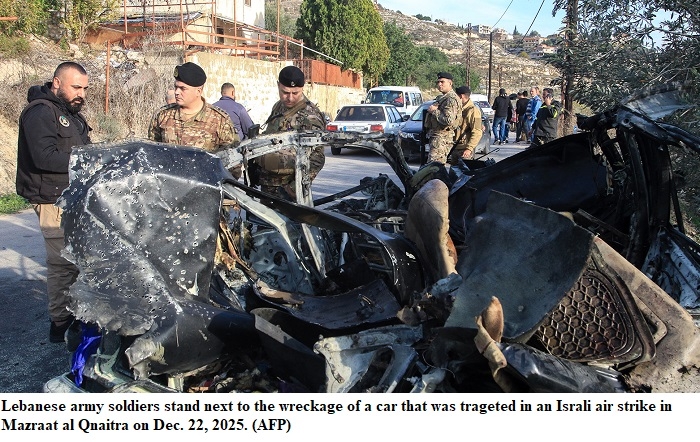
The Israeli military launched a significant wave of airstrikes against Hezbollah targets across Lebanon on Friday, striking weapons depots and training complexes in an operation that underscores the severe fragility of a ceasefire agreement intended to halt over a year of conflict.
The strikes, which targeted locations from southern to eastern Lebanon, represent a sharp escalation in the contested implementation of a truce brokered in November 2024. That accord has failed to fully quell hostilities, with sporadic violence claiming hundreds of lives since its signing.
In a statement, the Israeli military said the operation aimed to dismantle specific logistical and operational capabilities of the Iran-backed Hezbollah. It identified the targets as "weapons storage facilities and terrorist infrastructure sites" actively used to advance attacks against Israel. The military emphasized a proactive posture, vowing to "remove any threat posed to the state of Israel."
Lebanon’s state-run National News Agency (NNA) reported a "series of airstrikes" that hit mountainous areas in the southern Nabatiyeh and Jezzine districts, as well as the Hermel district in the east. This geographic spread suggests a broad Israeli targeting strategy, extending operations beyond the immediate border zone.
The renewed high-intensity bombing occurs against a backdrop of persistent volatility. Despite the ceasefire, Israel maintains a military presence in five strategic areas inside Lebanon, a point of major friction. Furthermore, the human cost remains grim. An Agence France-Presse (AFP) tally, based on Lebanese health ministry reports, states that more than 340 people have been killed by Israeli fire in Lebanon since the November agreement.
Friday’s strikes followed deadly violence on Thursday, when Israeli attacks near the Syrian border and in southern Lebanon killed three people. The Israeli military also disclosed that one of its strikes had killed a member of Iran’s Islamic Revolutionary Guard Corps Quds Force, highlighting the regional dimensions of the conflict and Israel's focus on disrupting Iranian supply lines to Hezbollah.
The persistent strikes and Israeli troop presence have intensified diplomatic pressure on the Lebanese government. Under heavy U.S. pressure, Lebanon has committed to a plan to disarm Hezbollah in the area south of the Litani River, approximately 30 kilometers from the Israeli border. The Lebanese army aims to complete this process by year's end, a move international mediators see as essential for stabilizing the border and enabling a full Israeli withdrawal.
However, deep-seated distrust threatens the process. Israeli officials publicly doubt the Lebanese military's ability to enforce disarmament and accuse Hezbollah of using the ceasefire to rearm. Hezbollah, for its part, remains defiant, refusing to surrender weapons it says are necessary for Lebanon's defense.
The diplomatic impasse is compounded by Israel's continued occupation of strategic Lebanese areas, which it seems to view as a necessary security guarantee until Hezbollah's disarmament is verified.