Syrian, Kurdish, and US Officials Push Last-Minute Talks on SDF Integration Ahead of Deadline
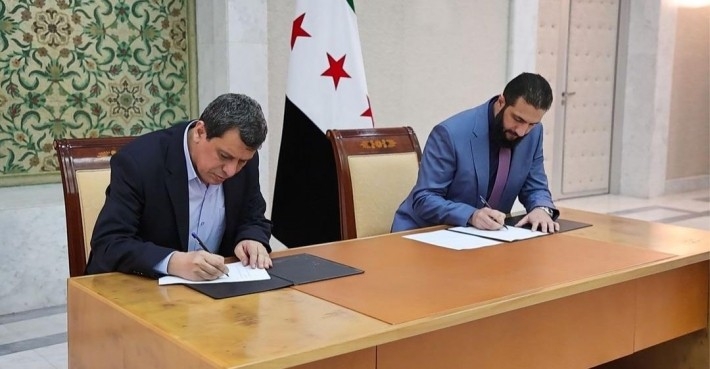
Syrian, Kurdish, and US officials are intensifying negotiations ahead of a year-end deadline to demonstrate progress on a stalled agreement to integrate Kurdish-led forces into the Syrian state, according to multiple sources familiar with the talks.
Discussions have accelerated in recent days despite growing frustration over delays, Syrian, Kurdish, and Western officials said, cautioning that a major breakthrough remains unlikely. The talks focus on implementing a landmark agreement reached on March 10, which called for the integration of the Kurdish-led Syrian Democratic Forces (SDF) into Syria’s military and state institutions by the end of the year.
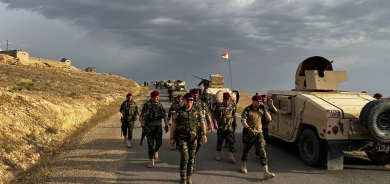
Five sources said the interim Syrian government has submitted a proposal to the SDF, which controls much of northeastern Syria. Under the proposal, the SDF would be allowed to reorganize its estimated 50,000 fighters into three main divisions and smaller brigades, on condition that it relinquish parts of its command structure and allow the deployment of other Syrian army units in areas under its control.
It remains unclear whether the proposal will be accepted. However, an SDF official said negotiations are closer to an agreement than at any previous point. A Western official described any potential announcement in the coming days as likely aimed at “saving face,” extending the deadline, and preserving stability in a country still fragile more than a year after the fall of former President Bashar al-Assad.
Most sources said any outcome before year-end would fall short of full integration, warning that failure to bridge one of Syria’s deepest remaining political and military divides could lead to renewed armed conflict. Such a scenario could also draw in neighboring Turkey, which has repeatedly threatened military action against Kurdish forces it considers terrorist groups.
Damascus and the SDF have accused each other of stalling. The SDF has been reluctant to surrender the autonomy it gained during the war as a key US ally, controlling Islamic State detention facilities and resource-rich territory. The group consolidated control over much of northeastern Syria after defeating Islamic State militants in 2019, including areas that produce most of the country’s oil and wheat.
The United States, which backs interim Syrian President Ahmed al-Sharaa, has played a mediating role by relaying messages between the sides, facilitating talks, and urging an agreement, sources said. The US State Department did not immediately comment.
Tensions have risen since negotiations stalled over the summer, with frequent skirmishes reported along northern front lines. Discontent has also grown among predominantly Arab communities in SDF-controlled areas, including opposition to compulsory conscription.
A Syrian official said the year-end deadline remains firm and that only “irreversible steps” by the SDF could justify an extension. Turkey’s Foreign Minister Hakan Fidan said Ankara prefers a non-military solution but warned that its patience with the SDF is “running out.”
Kurdish officials have played down the deadline, arguing that substance matters more than timing. Sihanouk Dibo, an official in the autonomous administration, said resolving all aspects of the agreement could take until mid-2026.
The SDF had previously proposed reorganizing its forces into three geographical divisions, but it remains unclear whether this would satisfy Damascus or allow continued Kurdish territorial control. Abdel Karim Omar, the Kurdish-led administration’s representative in Damascus, said the latest proposal includes logistical and administrative details that could prompt further disagreement.
A senior Syrian official said the government’s proposal remains flexible and is intended to facilitate implementation of the March agreement, as negotiations continue under intense regional and international scrutiny.