Iraq's Top Court Ratifies Election Results, Launching Government Formation Process
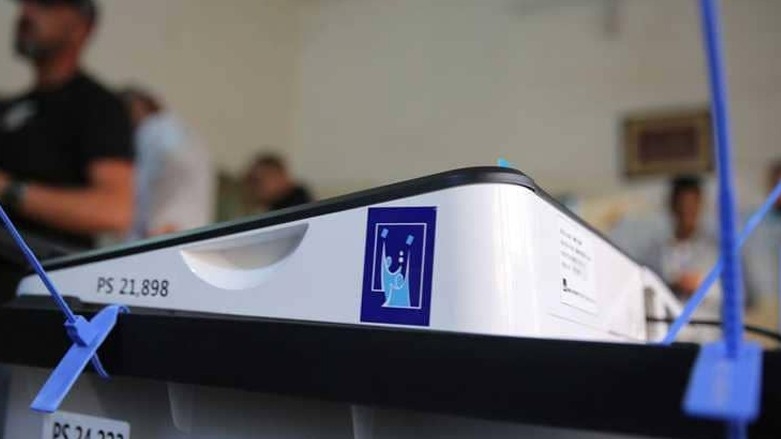
Iraq's Federal Supreme Court formally ratified the final results of the country's October parliamentary elections on Sunday, providing the legal foundation to begin forming a new government amid concerns the process could be protracted by political disputes.
In a statement carried by Iraqi state media, the court declared the results, finalized earlier this month, had "met all constitutional and legal requirements, and that there were no grounds for invalidating it." This judicial endorsement concludes the electoral appeals process and triggers a series of constitutional deadlines for establishing a new administration.
The elections, held on October 10 with special voting on October 8, saw approximately 7,750 candidates compete for the 329 seats in the Council of Representatives. Voter turnout was reported at 82.42% for special voting and about 54.35% for the general electorate, according to Iraq’s Independent High Electoral Commission (IHEC).
With the results now legally binding, the constitution mandates a tight schedule. Per Article 54, the president must, within 15 days, issue a decree convening the first session of the new parliament. At that inaugural meeting, lawmakers must elect a parliament speaker, a role traditionally held by a Sunni Arab.
In anticipation, Iraq’s main Sunni political blocs, gathered under the National Political Council, were expected to meet Sunday to agree on a candidate for the speakership. Reports indicate most of the council's five parties have put forward nominees.
The constitutional timeline further requires parliament to elect a president—a post reserved for a Kurd—within 30 days of its first session. The newly elected president must then task the nominee of the largest parliamentary bloc with forming a government as prime minister-designate. This nominee has 15 days to present a cabinet for approval. Should they fail, the president must put forward a new candidate.
Despite this structured framework, Iraq has a history of missing these constitutional deadlines. Government formation has often been stalled for months by intense negotiations, bargaining over ministerial positions, and deep-seated disagreements among the country's rival political factions. These delays have frequently led to political instability and unrest in Baghdad and other regions.