Production Temporarily Halted at Key Iraqi Oil Field
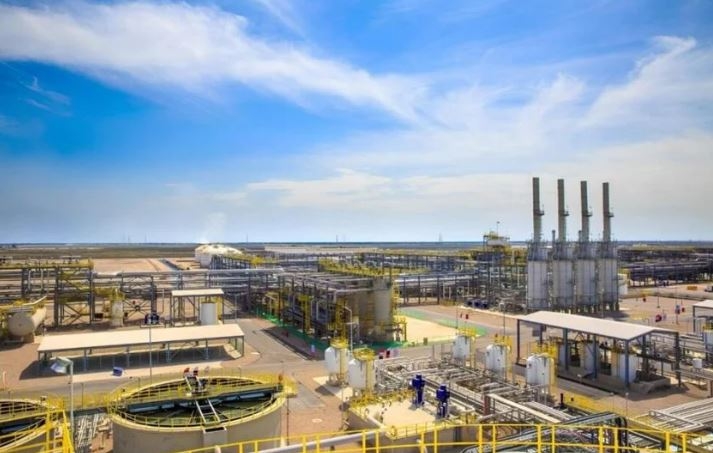
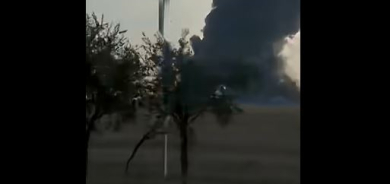
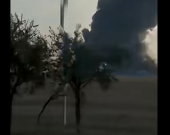
Production at the West Qurna-2 oil field in southern Iraq was temporarily suspended on Monday due to a reported leak in an export pipeline, according to sources within the Iraqi Ministry of Oil and the Basra Oil Company. The field, a major asset operated by the Russian firm Lukoil, has an output capacity of approximately 480,000 barrels per day.
Ministry and company sources, who spoke on condition of anonymity, confirmed the operational halt and indicated that a formal statement would be issued by the ministry. Later reports from Reuters, citing two Iraqi energy officials, stated that production had been restored following a brief interruption.
The incident occurs against a backdrop of significant strategic change. The Iraqi Ministry of Oil announced last week that it has initiated a process to transfer management of the West Qurna-2 field to a major U.S. oil company. In a statement, the ministry said it is conducting direct negotiations with selected American firms, aiming to ensure "sustainable production" and "stable flows of Iraqi oil to global markets."
This shift in operational control is widely seen as a response to renewed U.S. sanctions on Russian energy entities, including Lukoil, imposed in October. While the U.S. Treasury Department issued limited licenses in mid-November permitting some continuity for Lukoil's international projects, the Iraqi government has proceeded with plans to secure an alternative operator.
The geopolitical implications were further underscored in mid-November when Iraqi Prime Minister Mohammed Shia’ al-Sudani met with Lukoil founder Vagit Alekperov to discuss the impact of sanctions. Around the same time, Lukoil invoked force majeure regarding its operations at West Qurna-2.
Russian Ambassador to Iraq Elbrus Kutrashev, in comments to Rudaw in November, affirmed the continued activity of Russian energy companies in Iraq, describing Western sanctions as "illegal." He noted that Lukoil's investments in the country exceed $11 billion.
The West Qurna-2 field, located northwest of Basra, represents one of Iraq's largest oil-producing assets. The potential transition to U.S. management highlights the increasing intersection of global energy security and international diplomacy, as Iraq seeks to safeguard its critical hydrocarbon exports amid escalating geopolitical tensions.