U.S. Military Buildup Near Venezuela Sparks Debate Over Oil’s Influence on Rising Tensions
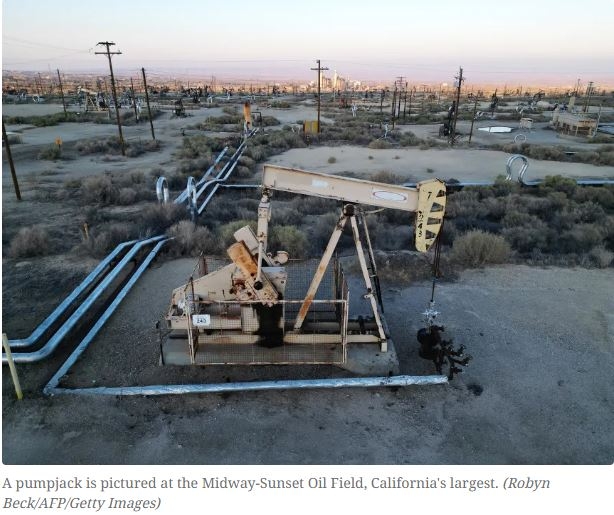
A major U.S. military deployment to the Caribbean, paired with increasingly forceful rhetoric from the Trump administration, has intensified concerns over a possible confrontation with Venezuela. President Nicolás Maduro has accused Washington of seeking control over the country’s vast oil reserves, reviving long-standing suspicions about U.S. strategic interests in the region.
Maduro reiterated over the weekend that the escalating standoff centers on Venezuela’s oil wealth—the largest proven reserves in the world. His claims were echoed by Colombian President Gustavo Petro, who told CNN that petroleum is “at the heart of the matter.”
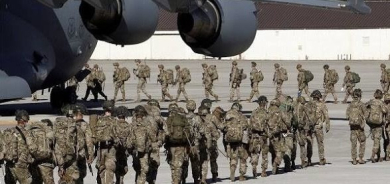
U.S. officials have rejected that assertion, insisting the deployment of more than a dozen warships and roughly 15,000 troops is aimed at curbing undocumented migration and the flow of illicit drugs from Venezuela. The State Department stated that oil “is not a motivating factor” behind the operation.
Regardless of official explanations, the prospect of political upheaval in Caracas has placed renewed global focus on Venezuela’s energy sector. According to the U.S. Energy Information Administration, the country holds an estimated 303 billion barrels of crude—about 20% of the world’s proven reserves.
Yet its oil industry is a shadow of what it once was. Production now sits just above 1 million barrels per day, a steep decline from 3.5 million barrels before the socialist government took power in 1999. Years of economic crisis, international sanctions, and deep mismanagement have left state oil company PDVSA struggling with decaying infrastructure and limited investment.
Despite its status as the world’s largest oil producer, the United States still imports specialized crude. Venezuela’s heavy, sour oil plays a key role in producing diesel, asphalt, and industrial fuels—products difficult to create from the lighter crude typical of U.S. fields.
“Most U.S. refineries were constructed to process Venezuela’s heavy oil, and they’re significantly more efficient when they’re using Venezuelan oil,” said Phil Flynn, senior market analyst at the Price Futures Group.
Due to sanctions, U.S. imports from Venezuela have plummeted to around 102,000 barrels per day. The Trump administration halted nearly all PDVSA crude shipments to the U.S. in 2019, although limited exceptions have been issued to companies such as Chevron under strict conditions.
Analysts say that a political transition in Venezuela could reshape global oil markets. Opening the country to foreign investment could unlock vast untapped supply, potentially easing global prices and reducing dependence on Russian heavy crude.
“It would be a huge thing if we could reinvigorate the Venezuelan oil market,” Flynn said. “It would open up the world to more supply, reducing the risk of price spikes and shortages.”
But rebuilding the sector will not be easy. PDVSA estimates that restoring its aging infrastructure to former output levels would require $58 billion in investment.
For Venezuelans, a revitalized oil industry could offer a lifeline. Oil revenue is central to government finances, and the sector’s collapse has worsened an already severe humanitarian crisis.
“It’s really a sad story, and it shows how a regime like that can hurt the Venezuelan people,” Flynn added.
As U.S. military activity in the region continues, oil remains inseparable from Venezuela’s political fate. Whether viewed as a strategic asset, an economic engine, or a geopolitical target, the country’s vast reserves ensure energy will remain at the center of any resolution to the unfolding crisis.