Political Maneuvering Intensifies as Iraq’s Coordination Framework Vets Prime Minister Candidates
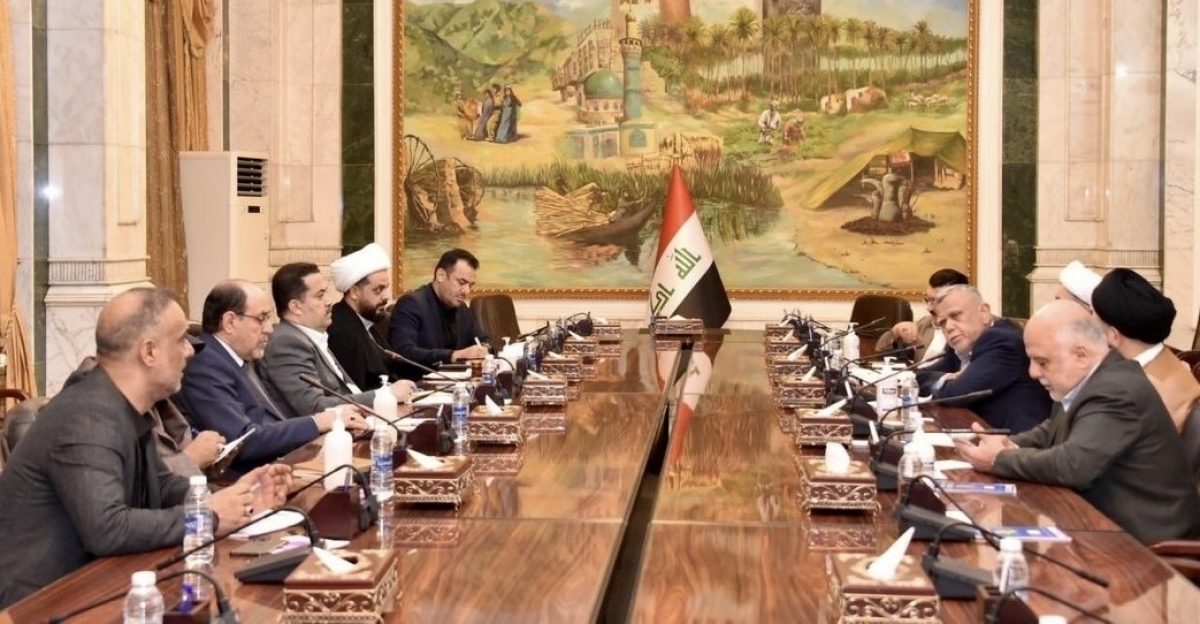
Political negotiations within Iraq's powerful Shia coalition, the Coordination Framework, have escalated as internal committees begin reviewing a list of candidates for the country's next prime minister, according to senior coalition officials.
At least six figures are under consideration, sources confirm, with prominent names including the outgoing Prime Minister Mohammed Shia' al-Sudani and his predecessor, former Prime Minister Nouri al-Maliki.
The selection process is a critical step toward forming a new government, and the Coordination Framework, which holds a majority bloc in parliament, is working to build a consensus around a candidate who can navigate Iraq's complex political landscape and significant challenges.
Moeen al-Kadhimi, a senior member of the Framework's Badr Organization, confirmed that the list comprises individuals who have expressed a "willingness and readiness" to lead. He provided initial insights into the prospects of the two most prominent figures.
"Al-Sudani is interested, but I believe his chances are currently limited," al-Kadhimi stated. He also noted that al-Maliki is actively seeking a return to the premiership, though "this has not been officially announced." Al-Kadhimi suggested that additional nominees have yet to be made public.
In a parallel effort, a second committee within the Framework has been tasked with opening negotiations with Kurdish and Sunni political forces. Their support is essential to secure the broader parliamentary majority required to confirm a new government and prime minister.
The critical role of Kurdish parties was underscored by a leading member of the Framework's Hikma Movement, Rahim al-Aboudi. He told Rudaw that the coalition is focused on ensuring the selection process is successful and results in a "strong and capable" government that can respond to the challenges of the current phase, acknowledging pressure from both domestic and international factors.
While the prime minister position is reserved for a Shia Arab under Iraq's post-2003 political system, Kurdish backing is considered pivotal. Kurdish parties have already signaled that they will negotiate with any candidate in advance, making clear that their crucial parliamentary support will be contingent on securing the highest possible guarantees for longstanding Kurdish demands.
Amid the negotiations, the Coordination Framework has established one major condition for the next prime minister: the candidate must not lead his own electoral list in future elections, a move likely aimed at preventing the consolidation of personal political power.