UN Backs Iraqi Electoral Body as Nation Enters Critical Pre-Election Silence Period
The United Nations Assistance Mission for Iraq (UNAMI) on Saturday expressed full confidence in the country’s Independent High Electoral Commission (IHEC), offering a robust endorsement as Iraq entered a legally mandated nationwide electoral silence ahead of next week’s parliamentary elections.
The vote, scheduled for Tuesday, will be the sixth since the fall of Saddam Hussein’s regime in 2003 and is seen as a critical test for the nation's fragile democracy.
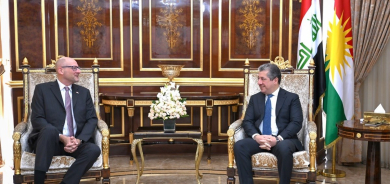
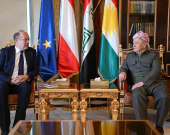
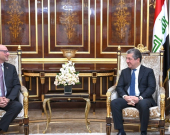
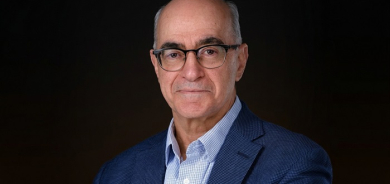
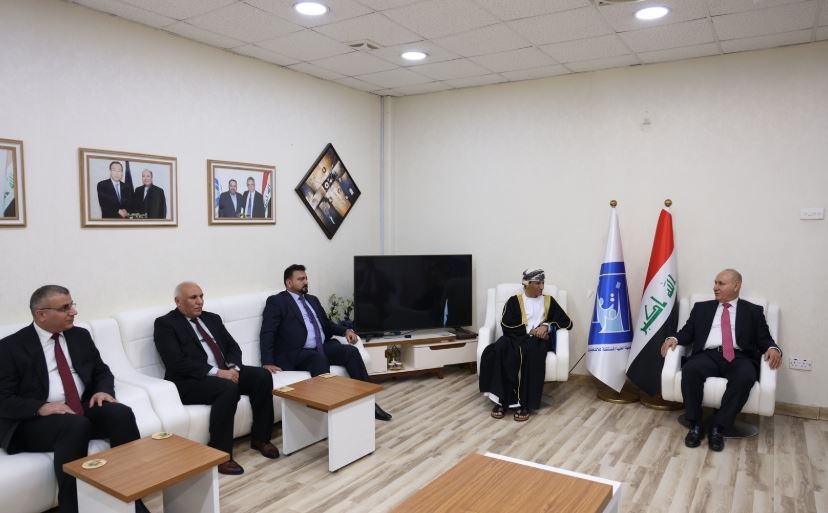
The declaration of support came following a joint visit to the IHEC headquarters by the UN Special Representative for Iraq, Mohamed al-Hassan, and Iraqi President Abdul Latif Rashid. In a subsequent statement, al-Hassan, who heads UNAMI, reaffirmed the mission’s support for the Commission’s work.
“We renewed our confidence in the work of the Commission and its members, and called upon them to observe the highest degrees of integrity and independence to safeguard the security, interests, and future of Iraq,” the statement read.
The UN envoy also issued a dual appeal, urging both electoral officials and voters to uphold the highest standards of integrity and responsibility. The statement called on Iraqi citizens to participate widely and to “make good choices of candidates — those capable of serving Iraq.”
The IHEC announced that the electoral silence period officially began at 7:00 a.m. on Saturday, marking the end of a five-week campaign season that started on October 3. Under Iraqi law, this prohibits all forms of campaigning, political advertising, and promotions until voting concludes.
The Commission stated that the measure is designed to ensure a “calm and neutral environment,” allowing voters to reflect and make their decisions freely, without being subjected to last-minute political pressure or propaganda. During this period, media outlets are permitted only to provide neutral educational coverage about voting procedures and to encourage voter turnout.
A special voting process will commence on Sunday, November 9, enabling members of the armed forces, police, and internally displaced persons (IDPs) to cast their ballots ahead of the general public on Tuesday, November 11.
According to IHEC data, 1.31 million registered security and military personnel are eligible to vote at 4,501 polling stations across 809 centers. Additionally, 26,538 IDPs will be able to vote in 27 designated centers nationwide.
The Commission confirmed that all necessary logistical, monitoring, and security measures are in place to ensure the transparency and credibility of the electoral process.
In this election cycle, the IHEC has approved 7,768 candidates—including 2,248 women—who represent 38 political parties, 31 alliances, and 75 independent lists. They are competing for 329 seats in the Council of Representatives.
Approximately 30 million Iraqis out of a population of 46 million are eligible to vote. However, the Commission noted that nearly seven million eligible voters have not renewed their voter cards and will be unable to participate.
The elections are widely viewed as a pivotal moment for Iraq, which is grappling with severe economic challenges, deep public frustration over corruption and poor public services, and enduring tensions among rival political blocs. These factions range from groups backed by Iran-aligned militias to reformist movements seeking to reduce external influence and enact meaningful change.
UNAMI’s statement carried broader undertones of reform, emphasizing that Iraq “deserves leaders who can translate the legitimate aspirations of the Iraqi people into tangible reality, away from sectarianism, favoritism, factionalism, and false slogans.”
The vote is being closely monitored by the United States and other international partners as a benchmark for Iraq’s political maturity and institutional independence amid complex challenges, including widespread unemployment and the struggle to assert state authority over armed groups.
As the UN’s top envoy concluded in his appeal to voters: “Make your electoral votes precious, meaningful, and of value.”