Iraq Touts Repatriation of 19,000 from Notorious Al-Hol Camp, Amid Fears New Amnesty Law Undercuts Justice
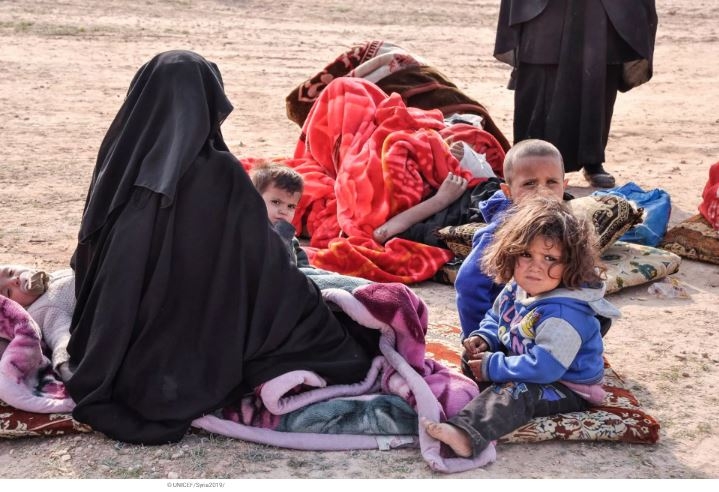
In a significant operation, the Iraqi government has announced the successful repatriation of 19,000 of its citizens from the Al-Hol camp in Syria, a facility described by international security officials as a breeding ground for extremism.
The repatriation, conducted in 29 phases since 2021, is a cornerstone of Iraq's strategy to address a major post-ISIS security and humanitarian challenge. The returnees, including women, children, and the elderly, are being processed through a multi-faceted state-run rehabilitation program designed to ensure their reintegration into society.
"This step was taken in coordination with the National Security Advisor, the Joint Operations Command, and international organizations," said Ali Abbas, spokesperson for the Ministry of Migration and Displaced, highlighting the high-level cooperation behind the effort.
Upon return, individuals undergo security screening before being transferred to the "Amal Center" for de-radicalization and psychological support. Officials say 78 different rehabilitation programs, developed with Iraqi universities and international partners, are tailored to different age groups.
"One of the most prominent points of success of this process has been the prevention of any kind of clash and tension between the returnees and the local population," Abbas stated, attributing this to national reconciliation initiatives.
A Shadow of Amnesty
However, this large-scale repatriation and reintegration effort now operates in the shadow of a contentious new reality: a general amnesty law passed by the Iraqi Parliament in late January.
The law has crystallized fears among victim communities, particularly the Yazidis, who suffered a genocide at the hands of ISIS in 2014. For them, the return of thousands of ISIS-affiliated families raises profound questions about justice and accountability.
As the law was debated, Yazidi MPs voiced fierce opposition. Vian Dakhil warned it could "exonerate those complicit in the genocide," while MP Mahma Khalil called it a "grave injustice to the victims of terrorism."
The core dilemma now is the legal status of the 19,000 returnees. While many are children, the roles of the women and older youths within the ISIS caliphate remain ambiguous. The government's rehabilitation program focuses on de-radicalization but does not publicly address legal culpability.
The concern is that the amnesty law could provide a pathway to absolution for individuals who may bear criminal responsibility. The government's focus on preventing social "clashes," while crucial for stability, is seen by some victims as potentially prioritizing peace over justice.
MP Khalil has stated that, following discussions with the Federal Court, the amnesty will not apply to those who participated in Yazidi massacres. However, proving individual complicity in genocide, especially for women who may have been enablers, presents an enormous evidentiary challenge.