PKK Announces Withdrawal from Turkey to Kurdistan Region of Iraq in Peace Process Move

The Kurdistan Workers’ Party (PKK), a group designated as a terrorist organization by Turkey, the United States, and the European Union, announced on Sunday that it has begun withdrawing its forces from Turkish territory to bases in northern Iraq.
The move is part of a disarmament process initiated after a call from the group's jailed leader, Abdullah Ocalan, and could mark a significant step toward ending a four-decade-long insurgency that has claimed over 40,000 lives.
In a statement released from Iraq, the PKK stated the withdrawal aims to enable a "free, democratic and brotherly life" and is intended to advance "processes of disarmament and integration." The group called on the Turkish government in Ankara to take "concrete measures" to facilitate its transition into "democratic politics."
"The legal and political steps required by the process... must be put in place without delay," the PKK's statement read. Senior PKK member Sabri Ok echoed this at a ceremony, stating, "We want laws that are specific to the process, not just an amnesty." The group now aims to defend Kurdish minority rights in Turkey through democratic means, aligning with Ocalan's directives.
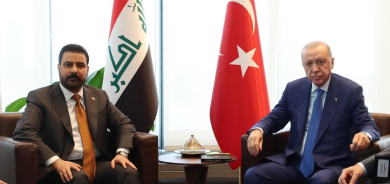
The announcement was met with a measured response from the Turkish government. Omer Celik, a spokesman for President Recep Tayyip Erdogan's ruling AK Party, described the withdrawal on social media platform X as a "concrete outcome" of the government's goal to make Turkey "terror-free." He added that the move would help shape a "positive framework" for legal structures to be developed by a parliamentary commission.
This 48-member commission is also tasked with deciding the fate of Abdullah Ocalan, who has been imprisoned on the island of Imrali for 26 years. The PKK has consistently demanded his release as a key part of any peace agreement.
A successful end to the conflict with the PKK could have wide-ranging regional implications, particularly in neighboring Syria. Tensions have long simmered between the NATO allies Turkey and the United States over Washington's support for Syrian Kurdish forces, which Ankara views as an extension of the PKK. A lasting peace in Turkey could potentially ease these diplomatic strains.
The PKK, which has maintained bases in northern Iraq for years, has seen those locations come under repeated attack from the Turkish military. The completion of this withdrawal and the subsequent political steps taken by both sides will be closely watched as a potential historic turning point for Turkey and the broader region.