2017 Referendum: A Look Back at Kurdistan's Bid for Statehood
ERBIL, Kurdistan Region – September 25 marks the eighth anniversary of the 2017 independence referendum, a watershed moment in modern Kurdish history that saw an overwhelming vote for statehood but triggered a severe political and economic backlash.
The push for the vote crystallized on June 7, 2017, when Kurdish political parties established the Referendum High Council and set the date for September 25. Under the leadership of then-President Masoud Barzani, the campaign argued that the people of the Kurdistan Region should have the right to decide their future—whether to remain part of a fractious Iraq or pursue independence.
The announcement was met with immediate and forceful opposition. The governments in Baghdad, regional neighbors like Iran and Turkey, and international powers, including the United States, warned that the timing was dangerous, citing the ongoing battle against the Islamic State (IS). They urged Kurdish leaders to postpone the vote.
Kurdish officials, however, remained steadfast. They pointed to what they described as Baghdad's systematic violation of 55 articles of the Iraqi constitution, many pertaining to Kurdish rights. “If we cannot be good political partners, let us be good neighbors,” President Barzani frequently stated, framing the referendum as a peaceful democratic exercise, not a declaration of war.
Tensions had been simmering for years. A key point of contention was the decision by former Iraqi Prime Minister Nouri al-Maliki in 2014 to cut the Kurdistan Region’s share of the federal budget. This occurred even as Kurdish Peshmerga forces were fighting and dying on the front lines alongside a US-led coalition to defeat IS.
In the months leading up to the vote, a flurry of diplomatic efforts aimed to dissuade Erbil. President Barzani and Masrour Barzani, then head of the Kurdistan Region Security Council, met almost daily with international envoys. Despite the pressure, Kurdish leaders concluded that no viable alternative was offered to guarantee their constitutional rights.
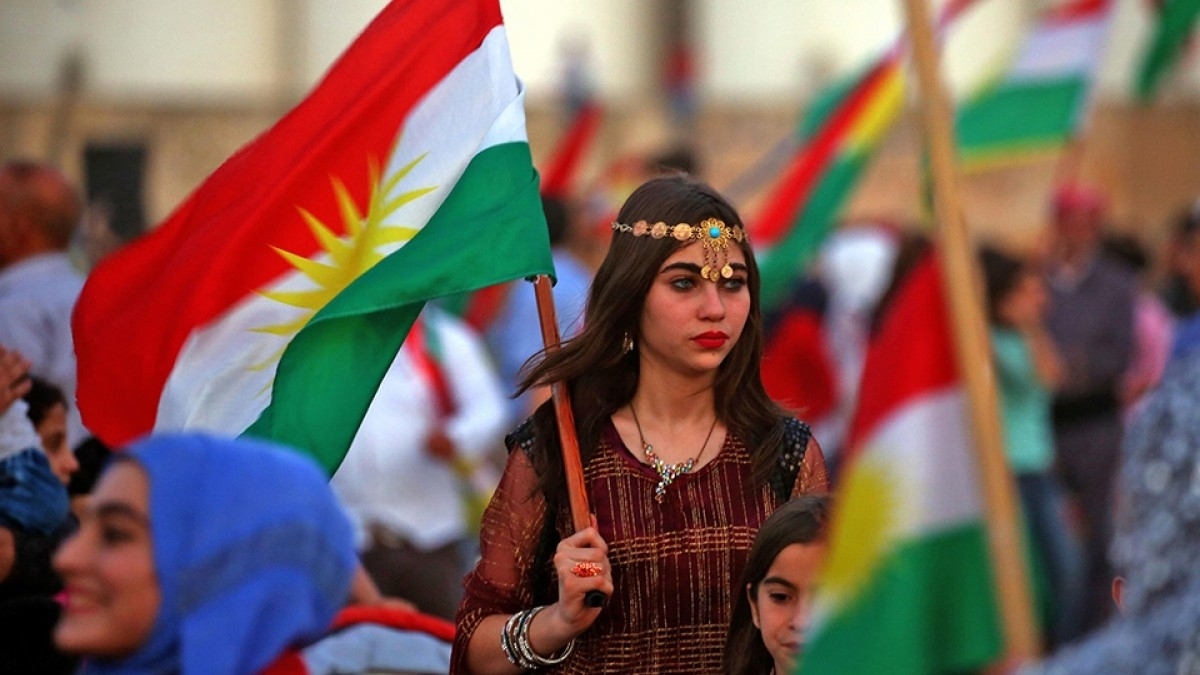
Internally, public enthusiasm surged. Massive rallies filled Kurdish cities, and diaspora communities in Europe and North America held demonstrations, building a powerful sense of momentum.
On September 25, the atmosphere was charged. Long queues formed, with some voters waiting overnight to cast their ballots. The final turnout was 72.16%, with over 3.3 million people participating. A staggering 92.73% voted 'Yes' for independence.
The result provoked a swift and punishing response. The Iraqi government deployed military forces towards disputed territories, including the oil-rich province of Kirkuk, which had participated in the vote. Baghdad also imposed an international flight ban on the Kurdistan Region's airports, and Iran closed its border crossings.
The inclusion of disputed areas like Kirkuk was a particular point of contention for Baghdad and regional actors, who feared it would lead to redrawing borders.
A year after the vote, in an interview with Al-Jazeera, Masoud Barzani reflected on the outcome. “Some may say it was a mistake, but I, along with 3 million people in Kurdistan, believe it was a historic, legal, and constitutional decision. It was the natural right of the Kurdish people,” he said, adding, “I would gladly hold another referendum today to ask the people if they regret their vote.”
The referendum was the culmination of decades of Kurdish aspiration for statehood. Since 2003, the Region had functioned as a semi-independent entity with its own government, parliament, and security forces. However, perennial disputes with Baghdad over oil, territory, and budget fueled the drive for full independence.
The event also resonated far beyond Iraq's borders, impacting the broader Kurdish question in Iran, Turkey, and Syria, where Kurdish populations have long sought greater rights.
Despite the subsequent setbacks, including the loss of Kirkuk to Iraqi forces, Kurdish leaders and many citizens continue to view the referendum as a defining declaration of their right to self-determination and a symbol of national unity. Eight years on, it remains a powerful, if contentious, landmark in the region's political landscape.