Peshmerga Unification Reforms Show Promise After Prolonged Delays, Official Says
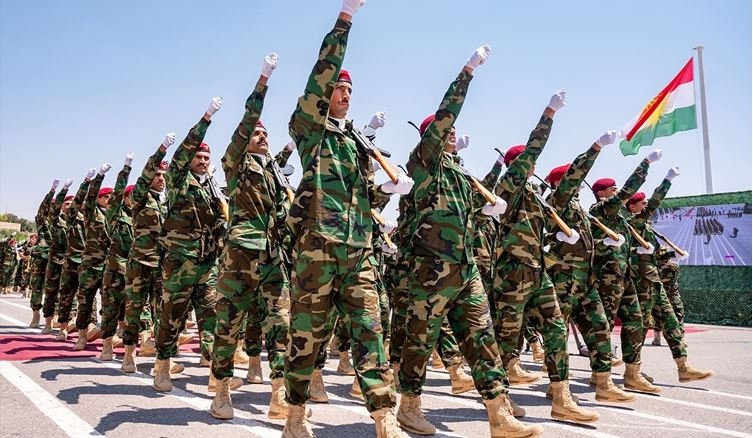
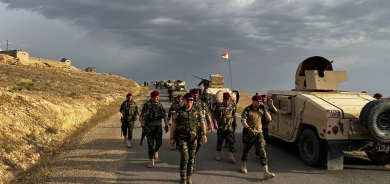
ERBIL, Kurdistan Region – The long-awaited unification of Peshmerga forces under the command of the Kurdistan Regional Government’s (KRG) Ministry of Peshmerga Affairs is expected to see significant progress in the coming weeks, a senior ministry official stated on Sunday, despite the process historically moving slower than anticipated.
Lieutenant Colonel Bakhtiar Mohammed, secretary-general of the Peshmerga Ministry, acknowledged the slow pace of reforms but expressed optimism about a breakthrough. “The reforms process continues but its speed does not meet our and the Kurdistan people’s expectations,” Mohammed told Rudaw. “However, I can say that within the coming two months some meetings will be held and there will be an understanding that will be materialised, leading to better management of the reforms process.”
The core of the plan involves forming two new regional commands, known as Davars (Kurdish for "areas"), which will place all Peshmerga forces under the direct and unified command of the ministry. “All Peshmerga forces will be under the Peshmerga ministry. This is our agenda and we hope it is implemented,” Mohammed added, noting that the new structure will improve organization, command, and logistical support.
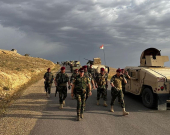
This reform initiative, a key goal of the KRG for years, aims to integrate the region's various military units into a single, professional, and depoliticized national force. The effort has received steadfast support from international partners, particularly the United States and the Global Coalition to Defeat ISIS.
The unification primarily focuses on merging the two largest party-affiliated units: Unit 70, loyal to the Patriotic Union of Kurdistan (PUK), and Unit 80, affiliated with the Kurdistan Democratic Party (KDP). Together, these units form the backbone of the Peshmerga, boasting over 100,000 troops.
Past attempts at unification have been fraught with challenges. Between 2010 and 2013, around 42,000 fighters from these units were merged into 14 brigades, but progress was halted by internal political disputes and the urgent need to combat the Islamic State (ISIS) in 2014. The process was revived in 2018 through a 35-point reform plan developed with coalition partners.
The international community continues to actively encourage these reforms. Most recently, on Wednesday, U.S. Consul General in Erbil Gwendolyn Green met with Kurdish officials at the Kurdistan Region Presidency. She reiterated the United States' commitment to the Peshmerga reforms and reaffirmed Washington’s support for a "secure and prosperous Kurdistan Region."