Iraq Moves Closer to Resuming Kurdish Oil Exports After Cabinet Backs Draft Deal
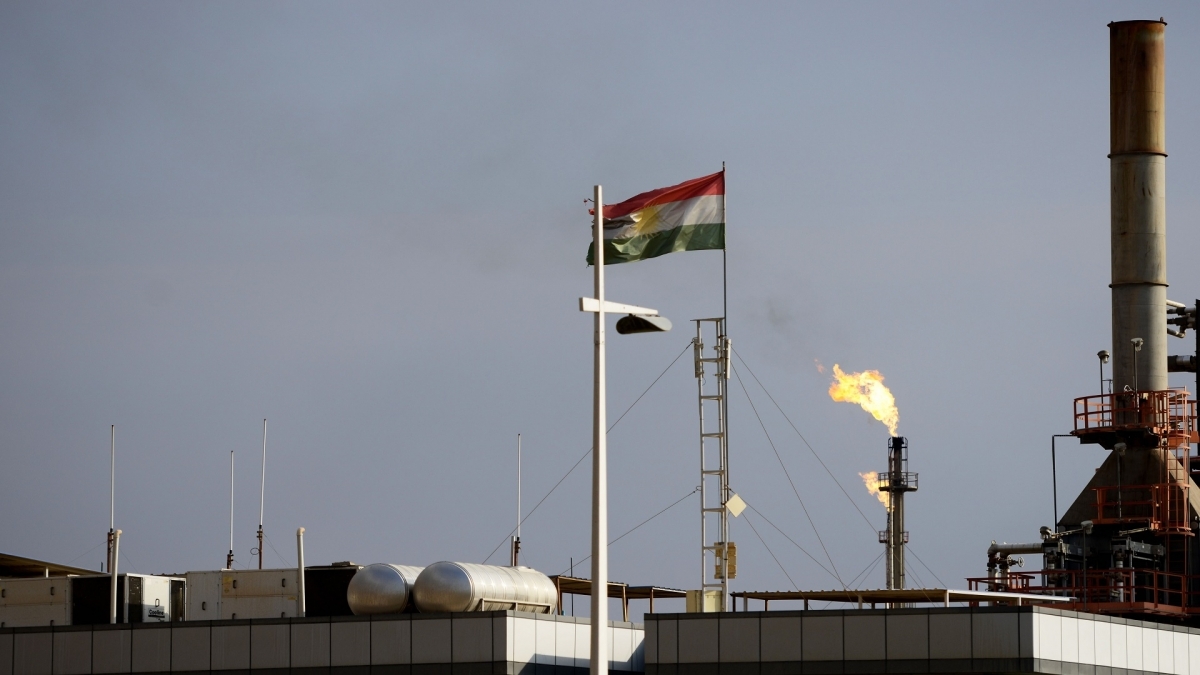
Iraq's federal cabinet has given preliminary approval to a draft agreement that could pave the way for the resumption of crude oil exports from the Kurdistan Region through Turkey, sources familiar with the matter told Reuters. The deal, if finalized, would end an 18-month standoff that has cut off a significant supply of oil from global markets.
The agreement involves the Iraqi federal government in Baghdad, the semi-autonomous Kurdistan Regional Government (KRG) in Erbil, and international oil companies. It could restore at least 230,000 barrels per day (bpd) of crude to international markets. This comes at a time when OPEC members, including Iraq—the group's second-largest producer—are increasing output to regain market share.
Northern oil flows through the vital Kirkuk-Ceyhan pipeline have been suspended since March 2023. The halt followed an international arbitration ruling that ordered Turkey to pay $1.5 billion in damages to Baghdad for facilitating unauthorized Kurdish exports between 2014 and 2018. While Ankara is appealing the decision, it has indicated a willingness to resume shipments. However, complex legal and political disputes between Baghdad, Erbil, and the oil firms have stalled any restart until now.
According to two sources, the Iraqi cabinet has endorsed a preliminary plan, and international companies operating in the Kurdistan region have also given their tentative approval. The Association of the Petroleum Industry of Kurdistan (APIKUR), which represents producers including Genel Energy, DNO, and Gulf Keystone, declined to comment, citing ongoing negotiations.
“Discussions have intensified and we’re closer to a tripartite agreement than we’ve ever been, as all are showing flexibility,” an executive from one of the involved companies stated.
Under the terms of the draft agreement, the KRG would commit to delivering a minimum of 230,000 bpd to Iraq's state-owned oil marketer, SOMO. An additional 50,000 bpd would be retained for domestic consumption within Kurdistan. An independent trader would be appointed to handle sales from the Turkish port of Ceyhan, using SOMO's official pricing.
The proposed financial mechanism would see $16 from each barrel sold deposited into an escrow account. These funds would then be distributed proportionally to the international producers to cover their costs and provide a return. The remaining revenue from each barrel would be transferred to SOMO, representing Baghdad's share.
A significant unresolved issue is the matter of roughly $1 billion in unpaid arrears owed to the oil companies for exports made between September 2022 and March 2023. The current draft does not specify how or when these debts will be settled.
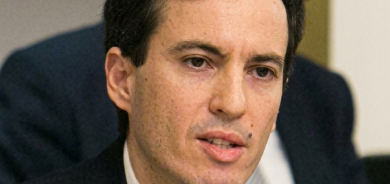
Commenting on the progress, Genel Energy CFO Luke Clements said at a conference in Oslo last week that agreements to restart exports were being drafted, but cautioned, “it still needs to get over the line.”