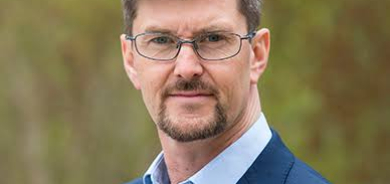
Professor Dr. Dawn Brancati to Gulan: Power sharing is an effective way to get sides to a conflict to agree to a peace treaty
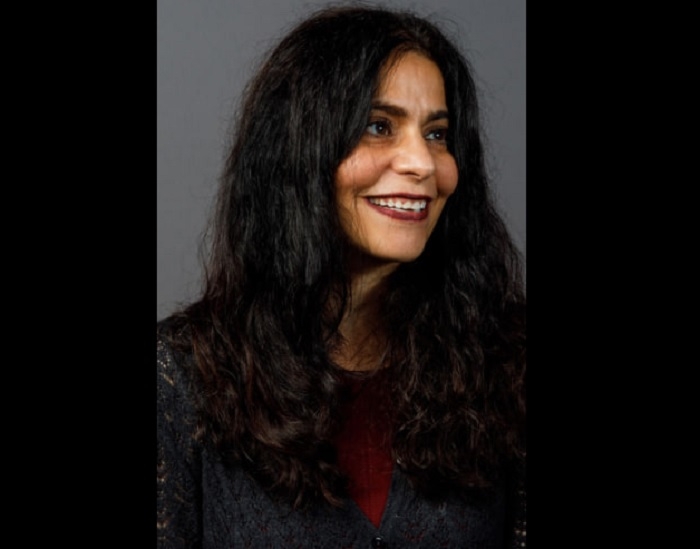
Dawn Brancati is an Associate Teaching Professor of International and Public Affairs at Brown University. Her research focuses on peacebuilding, primarily on democratic tools to prevent and resolve violent conflicts within states. In her research, Brancati has examined the conditions under which decentralization and elections are likely to result in or mitigate violence, as well as the factors that lead people to challenge authoritarian regimes, demand independence, seek democratic reforms, and support democracy abroad, among other issues. Brancati is the author of two monographs, "Peace by Design and Democracy Protests: Origins, Features, and Significance," as well as a textbook on research methods entitled "Social Scientific Research." She has also authored numerous articles in leading academic journals, including the American Political Science Review, British Journal of Political Science, Comparative Political Studies, International Organization, Journal of Conflict Resolution, and Journal of Politics and others. In an exclusive interview she answered our questions like the following:
Gulan: Your work has focused on the role of decentralization and elections in preventing or exacerbating violent conflict. Looking back over two decades of research, which assumptions in this field do you think have proven most or least robust?
Professor Dr. Dawn Brancati: A robust and important finding from my research on decentralization is that institutions, such as parties, which are incentivized to incorporate different groups are more moderate and less extreme than institutions that represent the same groups individually.
Gulan: Your research highlights how elections can both mitigate and spark violence. What design choices in electoral systems most strongly influence whether elections in post-conflict societies stabilize or destabilize them?
Professor Dr. Dawn Brancati: The extent to which elections are democratic, provide space for former combatants to participate in elections and discourage former combatants from returning to righting if they are dissatisfied with the elections results, and the extent to which the elections encourage parties to appeal to groups across former conflict lines, among other things.
Gulan: In societies emerging from conflict, how do you balance the tension between immediate power-sharing (to end violence) and long-term institution-building (to sustain democracy)?
Professor Dr. Dawn Brancati: Powersharing is an effective way to get sides to a conflict to agree to a peace treaty since it guarantees them influence in the new system. But, it can undermine peace because it does not encourage parties to cooperate with each other. Colombia devised an interesting solution to this problem in its peace process by limited powersharing to the first two elections. As part of the 2016 Colombian peace agreement, the FARC (Fuerzas Armadas Revolucionarias de Colombia) were guaranteed a minimum number of seats, but for only the first two elections. Institutions like this encourage parties to accept peace agreements and require them to cooperate with parties in future elections.
Gulan: Given your expertise on cyber and democracy, how do you see emerging technologies influencing future intrastate conflicts or peacebuilding efforts?
Professor Dr. Dawn Brancati: There are countless ways in which technology may affect peacebuilding. I teach an entire class on the subject. In this class, we look at artificial intelligence, biometrics, block chain, virtual reality, and so forth. Every technology can have positive or negative applications. Drones, for example, can deliver aid in areas too dangerous for aid workers to enter, But, at the same, they can be used to drop bombs. Virtual reality can be used to reduce post-traumatic stress or be used to prepare soldiers for combat. Whether these technologies are used to advance or undermine peace is not an inherent feature of the technologies but of the intentions of those that deploy them.