Iraq Announces Readiness to Resume Kurdish Oil Exports, Ending Three-Year Halt
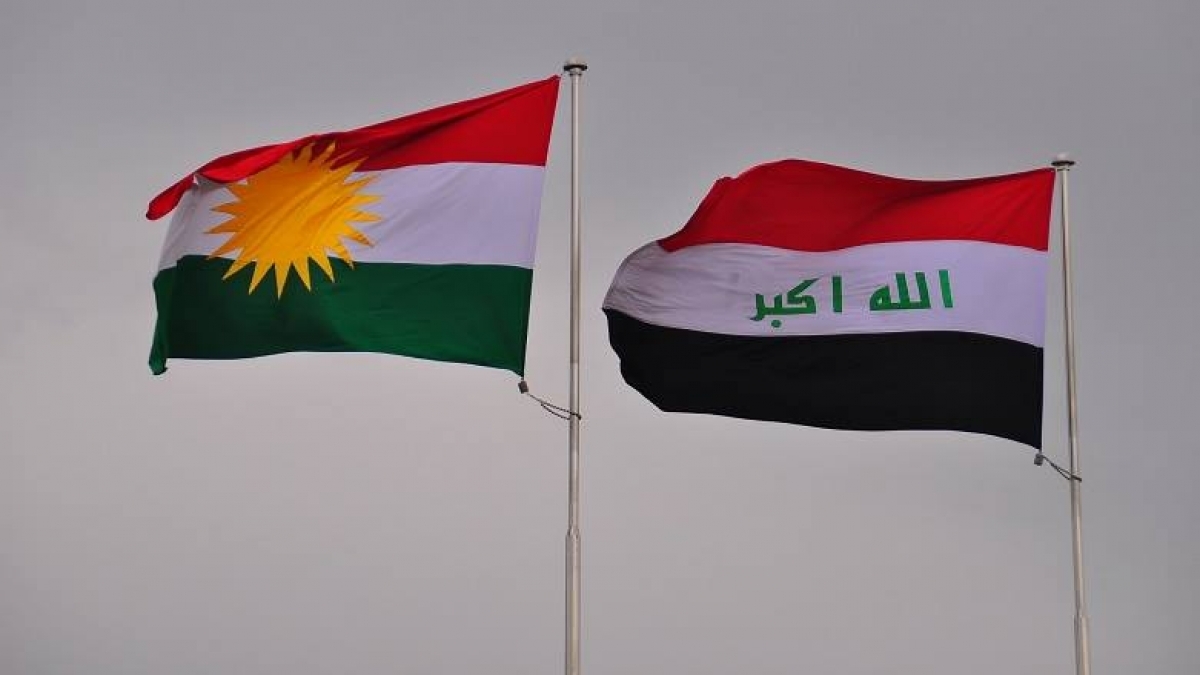
Iraq's federal government has completed all necessary preparations with international companies to purchase oil from the Kurdistan Region, signaling a major step towards resuming exports after a more than three-year suspension, a senior oil official announced on Tuesday.
The statement from Ali Nizar Faiq, director general of Iraq's State Oil Marketing Organization (SOMO), marks the most significant progress yet in resolving a long-standing dispute between Baghdad and Erbil over oil revenue and export rights.
"SOMO has completed all of its contracts and commitments with purchasing companies and is ready to receive quantities once pumped by the producing companies and the [Kurdistan] Regional Government [KRG]," Faiq told the state-run Iraqi News Agency (INA).
He emphasized that the return of Kurdish oil to the international market would be a strategic boon for Iraq, particularly in Europe.
"Resuming exports will restore Iraq's luster as a primary supplier to the European market which is thirsty for this type of oil," Faiq said. "This is especially true in light of the Russian-European crisis and the absence of Russian supplies, as Iraqi oil is characterized by its similarity in quality to Russian oil."
Despite a recent agreement where the KRG committed to delivering its oil to SOMO for federal management, exports have not yet restarted. The flow of oil was halted in March 2023 after an international arbitration court ruled that Turkey had violated a 1973 agreement by allowing the KRG to export oil independently through the Iraq-Turkey pipeline without Baghdad's consent.
Prior to the shutdown, the pipeline carried approximately 475,000 barrels per day, including 400,000 barrels from the Kurdistan Region and 75,000 barrels of Kirkuk oil.
Faiq urged all parties—including the federal government, the KRG, and international oil companies (IOCs)—to finalize the mechanisms for implementing the federal budget law, noting that efforts are ongoing to reach a final accord.
A key sticking point involves payments to the IOCs operating in the Kurdistan Region. An amendment to Iraq's budget law in early February set a temporary payment of $16 per barrel to cover production and transportation costs until an international consultant can determine the actual costs. However, the amendment did not address the repayment of significant past debts owed to these companies, a subject that continues to be a point of negotiation.
As of last Thursday, the KRG had not yet begun handing over oil to the federal government, according to Bassim Mohammed Khuzair, a deputy of Baghdad’s oil minister. He confirmed that Iraq's current national production is approximately 4.2 million barrels per day, with exports between 3.35 and 3.4 million bpd.