Kurdish Council in Syria Calls for "Serious Dialogue" with Damascus on Future Governance
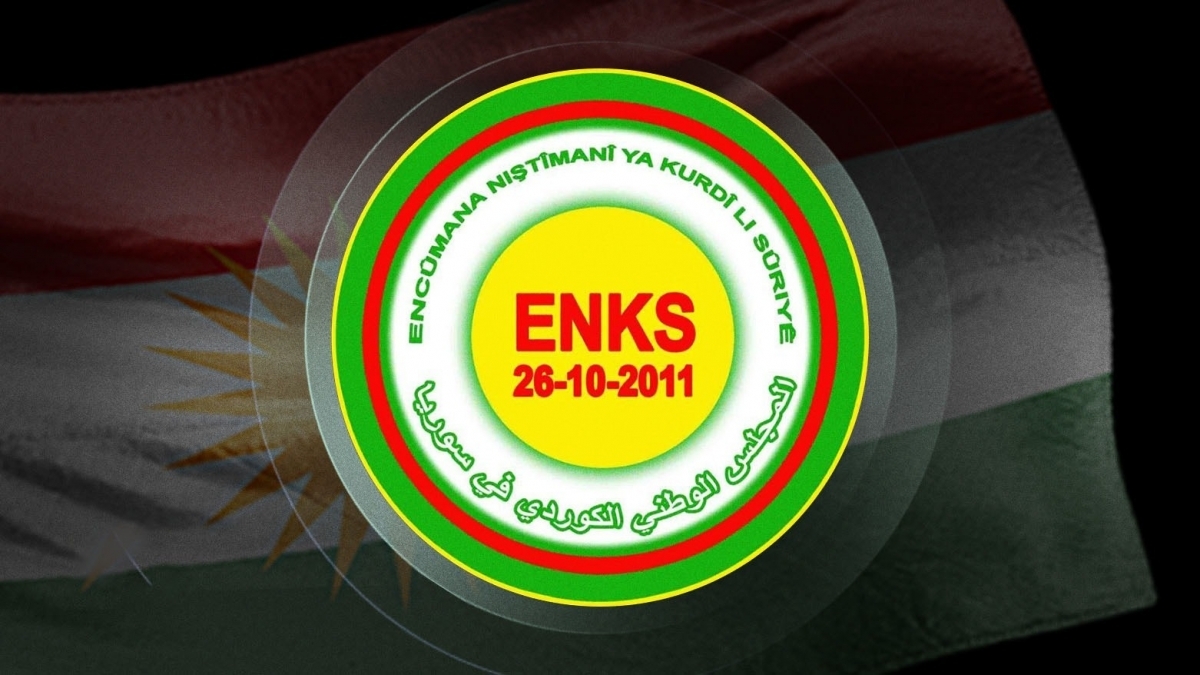
In a significant political appeal, the Kurdish National Council in Syria (KNCS) has formally called for immediate and "serious dialogue" with the new Syrian government to determine a future state model and secure a comprehensive solution for the Kurdish issue.
The call, articulated in a detailed statement, positions the KNCS as a leading proponent of a negotiated political settlement. It advocates for a pluralistic, democratic Syria that constitutionally recognizes the rights of all its components, including the long-marginalized Kurdish people.
The statement, released at a critical juncture in Syria's fragile transition, urges a new era of "cooperation and joint work" to guarantee everyone's aspirations in a state that includes all Syrians. It emphasizes that the monumental task of "building the new Syrian state" requires the "active and inclusive participation of all components of Syrian society."
This vision was further elaborated by KNCS officials in interviews with Kurdistan24. Ibrahim Biro, a member of the council's Foreign Relations Committee, stressed that no Kurdish party in northeastern Syria has ever sought full independence. He described the current climate under President Ahmed al-Sharaa's government as a "different and positive situation" providing an opportunity to obtain Kurdish rights "through the constitution and dialogue."
However, the KNCS's optimism is sharply tempered by criticism of the current negotiation process, which has been dominated by military actors. Biro specifically criticized the March 10, 2025, agreement between President al-Sharaa and Syrian Democratic Forces (SDF) commander Mazloum Abdi.
"That agreement was a mistake because a political agreement should have been made first," Biro contended. "A military commander should not broker a political future... the Kurdish issue has been militarized." He confirmed that Damascus has not yet met with Kurdish political parties, despite repeated KNCS requests for direct meetings with what it calls the "true representatives of the Kurds."
The council's preference for a political track is rooted in a vision for a decentralized Syrian state. KNCS spokesperson Faisal Youssef recently stated, "Kurds seek partnership in Syria, not partition." He argued that the Baathist regime's policy of extreme centralization caused the country's collapse and that the future must be built on a different foundation, with distinct Kurdish identity guaranteed in the constitution.
This call for dialogue comes amid a complex and volatile environment. While Damascus has made overtures, its official stance remains ambiguous. In a recent interview, President al-Sharaa confirmed the SDF agreement was "sealed" but immediately qualified it, insisting the SDF does not represent all Kurds and that any demand for federalism would be "harmful." He vowed Syria "will not cede a single grain of soil."
This insistence on a strong central state is being challenged not only by Kurds but by other minority communities. Representatives of Syria’s Kurdish, Alawite, Druze, and Christian communities recently gathered in Washington, D.C., to declare collective dissatisfaction with Damascus and advocate for a federal system.
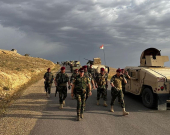
The situation on the ground remains tense, with recent clashes in eastern Aleppo between the SDF and Syrian government forces highlighting ongoing military friction. Simultaneously, reports from Kurdish-majority areas like Afrin indicate a systematic campaign to replace Kurdish judicial staff with Arab appointees, a move described as a violation of the new constitution.