Trump Bypasses Congress to Withhold Nearly $5 Billion in Foreign Aid, Sparking Legal and Political Battle
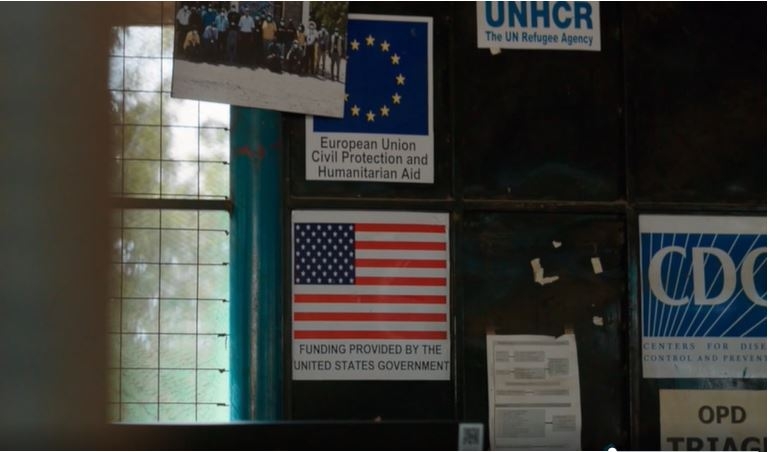
In a move that has ignited a fierce constitutional and political debate, President Donald Trump has unilaterally canceled nearly $5 billion in congressionally approved foreign aid funding, bypassing the legislative branch through a rare procedural maneuver not used in nearly half a century.
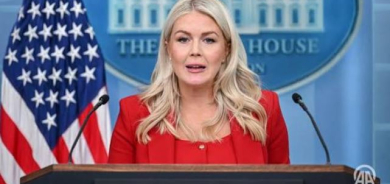
The White House announced the decision on Friday, stating the president was acting to "put AMERICA FIRST!" In a letter to House Speaker Mike Johnson, President Trump detailed that funding would be withheld for 15 international programs, totaling $4.9 billion.
The action challenges the fundamental balance of power outlined in the U.S. Constitution, which grants Congress the sole authority to allocate federal spending. To circumvent this, the administration employed a "pocket rescission." This little-known procedure allows a president, near the end of a fiscal year, to formally request that approved funds not be spent. Because the current fiscal year ends on September 30 and the mandated 45-day period for Congress to act will expire, the funds will effectively be canceled.
The move has drawn immediate and strong condemnation from Democratic lawmakers and even some members of the President's own party. Opponents argue the tactic is an illegal overreach of executive power that jeopardizes bipartisan negotiations and increases the likelihood of a federal government shutdown later this year.
Senator Susan Collins (R-Maine), who chairs the powerful Senate Appropriations Committee, was unequivocal in her criticism. "Any effort to rescind appropriated funds without congressional approval is a clear violation of the law," she stated. "Instead of this attempt to undermine the law, the appropriate way is to identify ways to reduce excessive spending."
The White House countered, asserting it has a "solid legal basis" for the decision.
Democratic leaders warned that undermining previously agreed-upon funding deals destroys trust and could derail the passage of essential fiscal bills. Senator Chuck Schumer (D-N.Y.), the minority leader, said, "It's clear neither Trump nor Congressional Republicans have any plan to avoid a painful and entirely unnecessary shutdown."
While Republicans hold a majority in both chambers of Congress, they will need Democratic votes in the Senate to pass new spending legislation, setting the stage for a high-stakes confrontation.
A significant portion of the canceled funds targets the United States Agency for International Development (USAID). Since the start of his second term, President Trump has sought to dismantle the world's largest humanitarian aid agency, which has been folded into the State Department under Secretary Marco Rubio. Rubio has already slashed 85% of its projects. The latest cuts also affect funding allocated for international peacekeeping missions.
The United Nations expressed concern over the decision. Spokesperson Stephane Dujarric said, "This is going to make our budget situation or liquidity situation that much more challenging."