Jailed PKK Leader Öcalan Calls for "Urgent Steps" in New Peace Process Stage, Delegation Reports
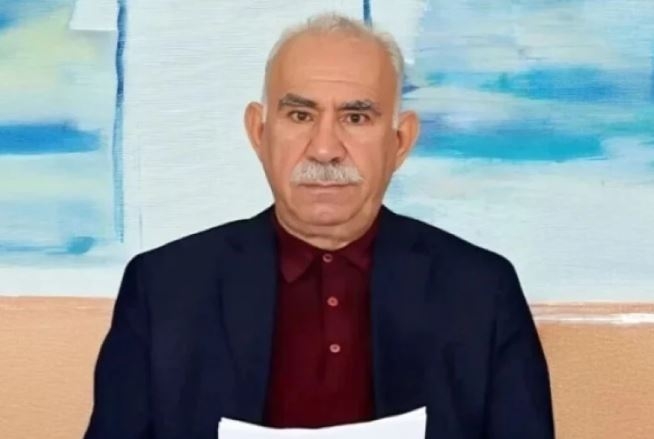
In a significant development for Turkey's fragile peace process, a delegation visiting imprisoned Kurdistan Workers’ Party (PKK) leader Abdullah Öcalan reported he is in "good health and high spirits" and issued a strong call for the immediate commencement of a new phase in negotiations.
The three-hour meeting on Thursday, centered on the "peace and democratic society process," marked a rare high-level engagement with Öcalan, who has been held in isolation on the prison island of Imrali for decades.
According to a statement from the Imrali Delegation, Öcalan provided a comprehensive assessment of the peace efforts to date. He described the ongoing challenges as "gangrenous," emphasizing that resolving them requires "careful and sensitive steps." He identified three essential concepts for a lasting solution: a democratic society, peace, and integration.
Öcalan reiterated his strategic preference for "integration based on a democratic republic and democratic society," asserting that recognizing this approach would benefit “all of us and to all of Turkey.” He also issued a caution against oversimplification, warning that political and media narratives that dismiss this perspective risk undermining the entire process.
The meeting concluded with Öcalan reaffirming his belief in building “eternal friendship and peace between peoples.”
This dialogue occurs within a critical window for a nascent peace initiative. In March, following a call from Öcalan, the PKK announced it would dissolve its armed wing and end its armed struggle, a historic move that has placed the ball firmly in the Turkish government's court.
The process remains in its early and fragile stages, characterized so far by unilateral actions from the PKK, including steps to disarm and disband. However, a significant point of concern, highlighted by observers, is the lack of formal reciprocal measures or clear counterassurances from the Turkish government. Ankara has yet to publicly outline any specific legal or constitutional reforms intended to address longstanding Kurdish grievances, such as cultural rights and decentralization.
The success of this initiative is viewed as critical not only for ending the decades-long conflict that has claimed tens of thousands of lives but also for transforming Turkey’s domestic political landscape and bolstering its international relations.