KRG Allocates Seven Billion Dinar for Major Road Overhaul in Ranya, Ending "Period of Marginalization"
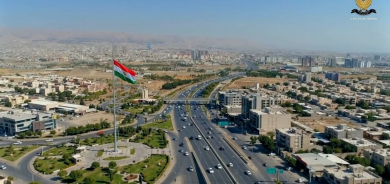
Erbil, Kurdistan Region – The city of Ranya is set for a comprehensive infrastructure transformation after the Kurdistan Regional Government (KRG) approved a seven-billion-dinar budget for key road projects, a move officials hail as the end of the area's marginalization and the start of a new developmental chapter.
In an announcement to Kurdistan24 on Wednesday, Ranya Mayor Ahmed Mala Wsu confirmed that the KRG Council of Ministers has greenlit four major road initiatives designed to drastically reduce traffic congestion, improve regional transportation, and benefit thousands of residents across more than a dozen neighborhoods.
"This comes after a period where Ranya was underserved," Mayor Mala Wsu stated, emphasizing that the city is now witnessing significant development driven by both the KRG budget and private investment.
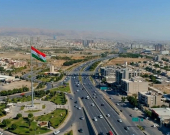
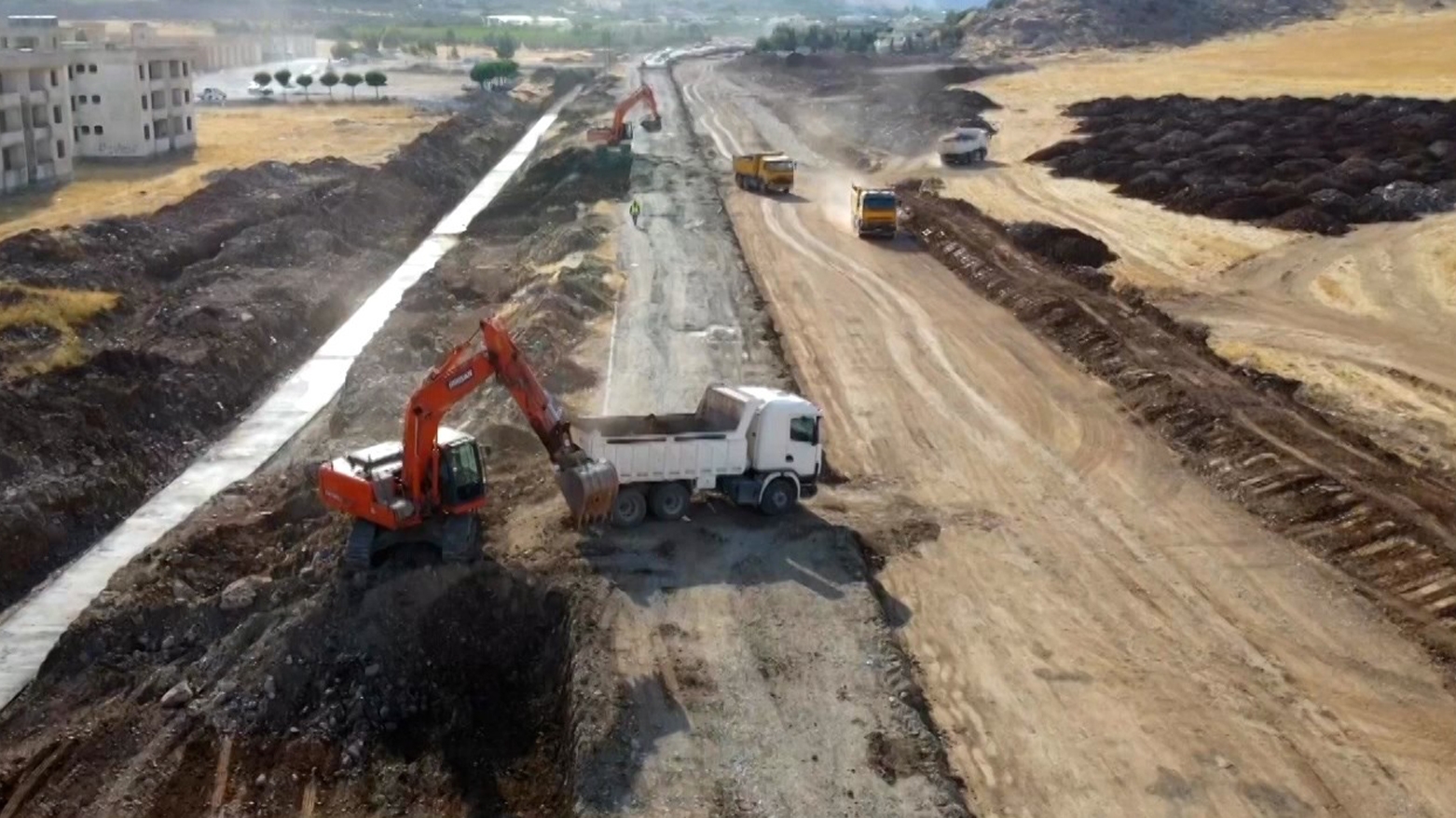
The centerpiece of the new approval is the completion of the city's crucial 60-meter street. Two of the four projects are dedicated to finishing this five-kilometer thoroughfare at an estimated cost of 4.5 billion dinars. The mayor highlighted that its completion is vital for easing traffic not only within Ranya but throughout the entire Raparin Administration area.
A third project will focus on extending and completing the 2.5-kilometer 40-meter street in the city center, a vital artery directly connecting 12 neighborhoods. The fourth initiative will see all the alleys in the Hawar, Daban, and Rizgari Yek neighborhoods fully concreted.
Mala Wsu promised a "complete transformation" for Ranya upon the completion of these urban and inter-city networks. Pending routine administrative procedures, construction on the 60-meter street is scheduled to begin in January of next year.
These new projects build upon ongoing work in the city. The mayor reported that the paving of five neighborhoods, funded by the Ministry of Municipalities' investment budget, is already underway with approximately 10% completed. Furthermore, the grant-funded, dual-carriageway Ranya-Sarkapran road is now 60% finished, with one lane expected to open to the public this autumn.
The investment in Ranya is a key part of the KRG's ninth cabinet's broader "Road Revolution" strategy, an ambitious, self-funded program to overhaul the region's infrastructure, enhance connectivity, and stimulate economic growth.
Official figures indicate that this wider initiative has launched 1,967 road projects with a total value exceeding 1.8 trillion dinars. To date, 585 projects have been completed, adding 1,363 kilometers of new roads across the Kurdistan Region.
Agrin Abdullah, Deputy Minister of Reconstruction and Housing, underscored that these efforts are financed entirely through the KRG's internal revenues, noting that the Iraqi federal government has not allocated any funds for road or bridge projects in the Kurdistan Region since 2014.
This commitment to self-reliance has fueled transformative projects across the region, from major highways like the new 86-kilometer Erbil-Duhok road to local ventures like the nearly-complete Balinda-Sida road in Amedi, which aims to facilitate the return of residents to over 100 villages.
Prime Minister Masrour Barzani has personally championed the infrastructure drive, including projects like the Sheikhan-Lalish highway, which he described as vital for the Yezidi community and a "beautiful example of the culture of coexistence." For the residents of Ranya, this comprehensive vision is now becoming a tangible reality.