Sulaymaniyah to Host International Conference on Kurdish Genocide in Art, Literature, and Media
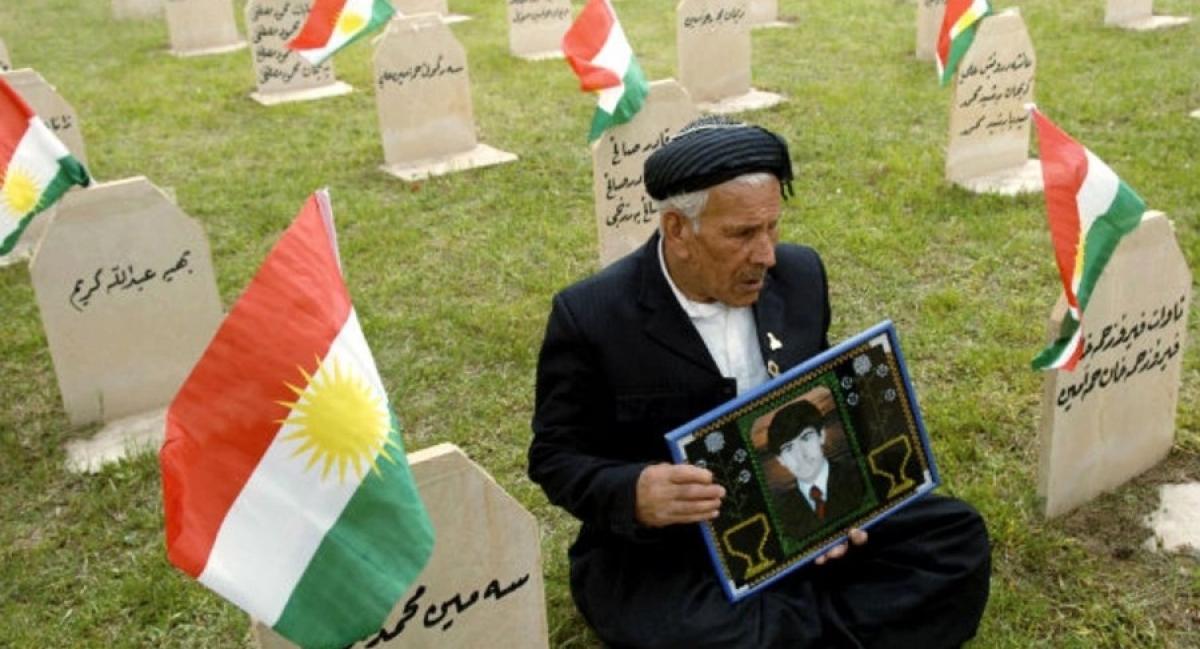
The Kurdistan Region’s Ministry of Culture and Youth is set to host the second international scientific conference on the genocide of the Kurds and its reflection in literature, art, and media from August 25 to 26.
The two-day event will build upon the inaugural conference held in 2023, significantly expanding its scope to include the role of media in documenting and reflecting on the atrocities.
Conference spokesperson Namiq Hawrami announced in a press briefing that 28 reviewed research papers will be presented by specialists and experts. The conference will feature a diverse international presence, with participants from seven countries alongside Kurdish researchers.
“Besides the Kurdish language, some of the research will be presented in English, Arabic, Persian, and Turkish,” Hawrami stated, highlighting the event's global reach.
All presented papers will be compiled and published in a book to be distributed during the conference. Furthermore, over 60 international guests specializing in genocide studies have been invited to attend.
In a significant gesture, the conference will honor contributions to genocide recognition and advocacy. Four golden awards will be granted to both Kurdish and international figures who have worked to bring attention to the genocides committed against the Kurds.
The conference aims to conclude with the preparation of formal proposals and recommendations, contributing to the ongoing academic and public discourse on the subject.
The genocide against the Kurds in Iraq reached its peak during the late 1980s under the regime of Saddam Hussein. The systematic Anfal campaign of 1988 targeted Kurdish civilians, resulting in the deaths of an estimated 50,000 to over 180,000 people. It was characterized by mass executions, forced deportations, the destruction of thousands of villages, and the widespread use of chemical weapons.
The most infamous single atrocity was the chemical attack on the city of Halabja in March 1988, which killed between 3,200 and 5,000 people and injured thousands more. These campaigns have been formally recognized as genocide by numerous scholars and international bodies, including the International Association of Genocide Scholars.