AANES Warns Syria Peace Process Will Fail Without Its Inclusion
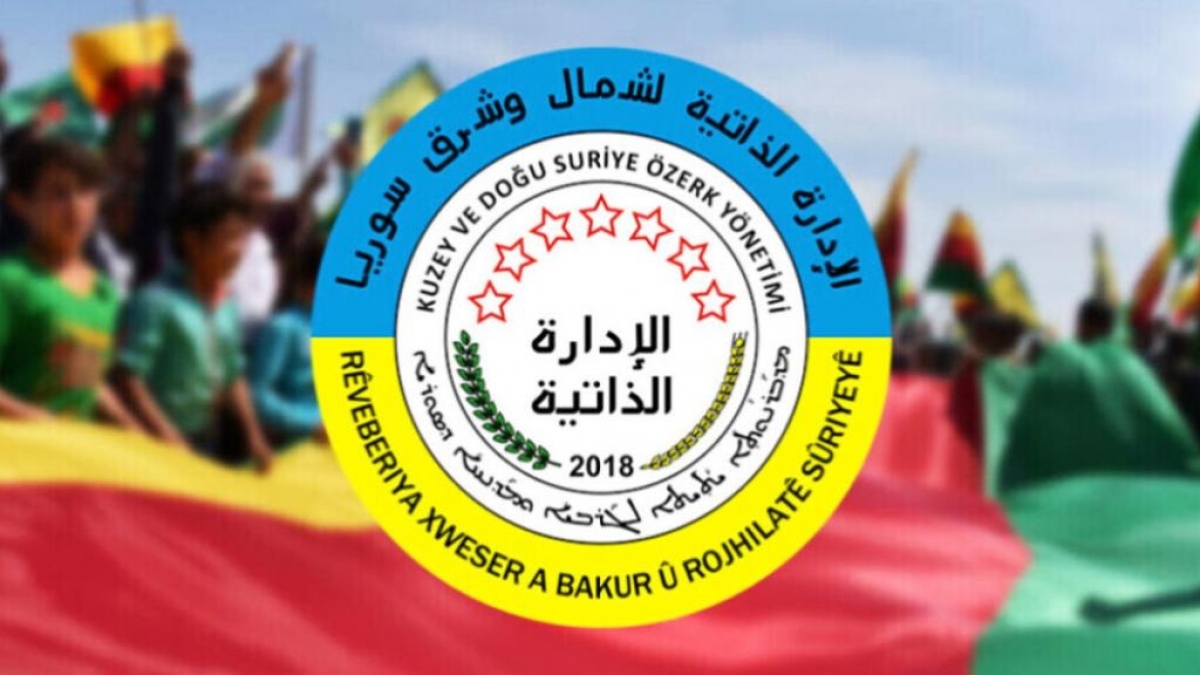
The Autonomous Administration of North and East Syria (AANES) declared on Tuesday that any political process to determine Syria’s future that excludes its administration and the Syrian Democratic Forces (SDF) would be incomplete and likely to fail.
In a statement, the AANES welcomed the August 10 United Nations Security Council (UNSC) presidential statement condemning crimes against civilians in Suwayda. It emphasized that the Council’s position aligns with the March 10 agreement between Damascus and the SDF, as well as the outcomes of an August 8 conference in Hasakah, which sought to unify the region’s diverse communities.
The AANES reiterated that UNSC Resolution 2254 remains the only viable framework for a genuine political transition in Syria. "The participation of all effective forces on the ground must be ensured, including the Autonomous Administration and its military force, the SDF, as a key party in the Syrian equation, countering terrorism, and maintaining stability," the statement read.
The administration warned of negative consequences if it remains excluded from peace efforts and called on the UN to play a "key and effective role" in fostering an inclusive national dialogue involving all Syrian factions. The goal, it stressed, should be a democratic, pluralistic, and unified Syria.
The UNSC’s Sunday statement, adopted unanimously, expressed deep concern over recent clashes in Suwayda involving "mass killings" and the displacement of around 192,000 people.
The AANES governs large parts of northeast Syria, home to Kurds, Arabs, and other ethnic and religious groups. Its military wing, the SDF, has been a primary U.S.-led coalition ally in the fight against the Islamic State (IS).
Despite its governance and security role, the AANES has been excluded from UN-led peace talks, largely due to opposition from Turkey and the Syrian government.
UNSC Resolution 2254, adopted in 2015, outlines a roadmap for ending Syria’s conflict through a ceasefire, constitutional reform, and UN-supervised elections. However, its implementation has stalled amid ongoing political and military disputes.